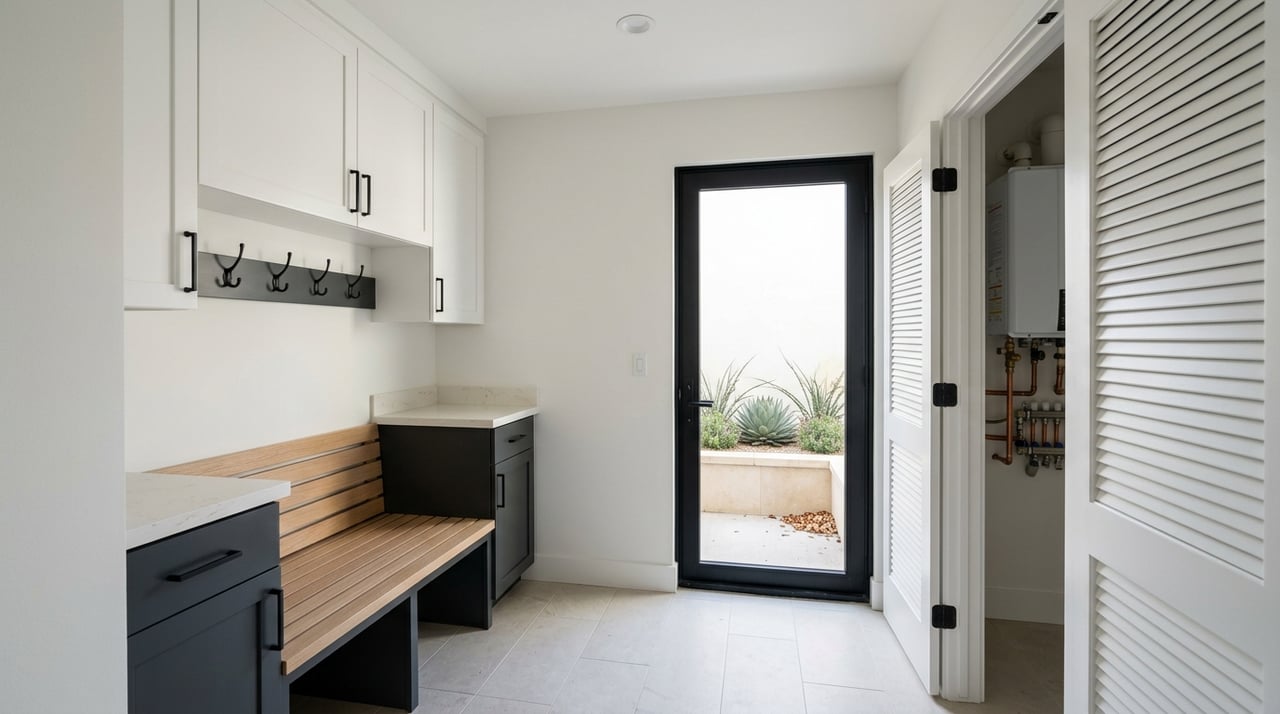
Building a Home in Dripping Springs? Know This First
July 23, 2026
July 23, 2026
If you’re thinking about building a home in Dripping Springs, the house plan is only part of the story. What really shapes your timeline, budget, and stress level is the land itself, including jurisdiction, utilities, wastewater, easements, and permitting. The good news is that with the right due diligence, you can spot issues early and move forward with more confidence. Let’s dive in.
One of the first questions to answer is whether the property is inside Dripping Springs city limits, in limited-purpose city limits, or in an ETJ development-agreement area. According to the City of Dripping Springs, that status can determine whether you need full city permits, inspections, planning review, or some combination of approvals.
This matters because two lots in the same general area may follow different rules. Before you fall in love with a parcel, it helps to confirm exactly which local authority has oversight and what that means for your build.
In Dripping Springs, permitting is not always a simple city-versus-county question. The city notes that some ETJ properties may still require planning review even if they do not need full city building permits or inspections.
That means your first due diligence step is not choosing finishes or pricing a slab. It is confirming which rules apply to the lot so you know what reviews, timelines, and costs may be ahead.
If your property falls under the City of Dripping Springs permit system, the city requires a detailed submission before issuing a building permit. That package includes setbacks, easements, utility locations, driveway details, impervious cover, drainage, architectural plans, framing, electrical, mechanical, and energy compliance information.
The property must also already have a Hays County 911 address. If that piece is missing, your application is not truly ready yet.
The city processes residential applications online through MGO and does not accept handwritten forms. Incomplete submissions are returned, which can create avoidable delays if your plans or supporting documents are not ready.
The city states it has up to 5 business days to accept an application, up to 3 business days after payment to begin plan review, and up to 10 business days for first-round comments. If revisions are needed, follow-up comments can take another 5 business days.
The building permit is often not your first approval. The city says items such as OSSF review, county floodplain approvals, variances, or conditional-use permits should already be in motion before the building permit application is submitted.
Depending on the project, the city may also route plans for exterior design, landscape design, or exterior lighting review. That is one reason local builder experience can make such a difference in Dripping Springs.
In Dripping Springs, utility questions often shape the project as much as the home design. You need to know where water comes from, whether wastewater service is available, whether septic is required, and what it will take to bring in electricity.
A beautiful lot is not necessarily a build-ready lot. Early utility research can help you avoid surprises after contract.
Water service depends on the property and provider. The City of Dripping Springs says its wastewater system serves city limits and select development-agreement subdivisions, but the facility is currently at full capacity and unable to accept new wastewater service connections at this time.
That means you cannot assume city wastewater is available just because a lot is near existing homes. You need parcel-level confirmation on both water and wastewater options.
Water restrictions are also part of the practical picture. The city states its own water customers are under Stage 2 watering restrictions, while Dripping Springs Water Supply Corporation customers follow separate rules.
DSWSC has posted Stage 4 watering restrictions effective May 23, 2025, with hand-held irrigation only and automatic and drip irrigation prohibited. If outdoor watering matters to your plans, this is something to understand before you build.
DSWSC says new service requires separate applications. Some projects also need a Hays Trinity Groundwater Conservation District water-service connection form before the meter is installed.
This is a good reminder that utility setup is rarely one form and one phone call. New construction often involves multiple agencies and sequencing requirements.
Many Dripping Springs area homesites rely on septic, a private well, or both. If that is true for the lot you are considering, those approvals should be part of your early due diligence, not an afterthought.
These systems affect site layout, budget, and timing. They also influence where the home, driveway, and other improvements can go.
Hays County requires an OSSF permit for all septic systems regardless of lot size. The county says each application goes through administrative and technical review.
The City of Dripping Springs Environmental Health Department also says it performs soil and site evaluations to determine whether an OSSF is suitable. In practical terms, septic feasibility is a major checkpoint before you commit to a homesite.
If the property will use a private well, the Hays Trinity Groundwater Conservation District requires a well-construction notification confirmation before drilling starts. The district also says it will not accept new well-construction notifications for non-exempt uses during Stage 3 or Stage 4 drought conditions.
That means drought conditions can directly affect your build planning. If a lot depends on a new private well, timing matters.
Power is another detail that can get overlooked when buyers focus on the house itself. PEC includes Dripping Springs in its service area, and applicants must meet membership, easement, and meter-loop requirements before service is connected.
If the lot needs new utility extensions, that can affect both cost and schedule. It is smart to confirm electrical service expectations before you finalize your land decision.
When you build on land, you are not just buying acreage. You are buying the legal right to place a house, driveway, utilities, and any needed septic field in workable locations.
That is why title and survey review matter so much in a build scenario. A lot can look perfect on paper and still have legal or physical constraints that limit your build envelope.
The Texas Department of Insurance says title problems can include undisclosed easements, no right of access, and undisclosed restrictive covenants. It also advises buyers to compare the legal description in the title commitment to the survey and review restrictive covenants with an attorney.
In Dripping Springs, this becomes especially important because utility easements, access, and site constraints can affect where the house can actually go. You want the title commitment, survey, and intended build area to line up clearly before moving forward.
If you are used to buying resale homes, construction financing may feel unfamiliar. Construction loans are usually short-term and generally have higher interest rates than longer-term mortgages.
Fannie Mae also recognizes both single-close and two-close construction-to-permanent structures. For you as a buyer, that means loan structure should be worked out early, especially if land and construction will not close at the same time.
Before choosing a lender, it helps to ask:
These questions can help you compare options more clearly and avoid financing surprises mid-project.
Not every builder works the same way, and not every builder has Dripping Springs experience. Since local rules can involve city permits, ETJ review, contractor registration, septic, floodplain review, and utility coordination, builder familiarity matters.
The City of Dripping Springs also requires licensed tradesmen to register with the city if they are working inside city limits or in subdivisions with executed development agreements. That makes local process knowledge a useful screening point.
When interviewing builders, consider asking:
Clear answers upfront can save you major frustration later.
Many buyers assume construction starts right after permit approval. In reality, several issues may need to be resolved before the first day of building, including permit review, utility setup, septic or well approvals, and title questions.
National construction benchmarks can offer context, but in Dripping Springs they are only a starting point. Local approvals and site-readiness items often shape the real timeline.
One detail that surprises many buyers is the difference between final inspection and Certificate of Occupancy. The City of Dripping Springs states these are separate milestones.
A home can pass final inspection and still not be legally ready for occupancy. The city also notes that moving in before the CO can trigger an unauthorized-occupancy fee, so your moving plans should be tied to the CO, not just the last construction task.
Building gives you more control over the house and the site. You can choose the layout, finishes, and how the home fits the land.
At the same time, building places more coordination risk on you and your team. Permitting, utility setup, wastewater decisions, title review, and timing all carry more uncertainty than buying in an established community where much of that work has already been handled.
That does not mean one choice is always better. It means the right choice depends on your goals, your timeline, and how much complexity you want to take on.
Before making an offer on a homesite in Dripping Springs, try to confirm these basics:
This kind of checklist can help you move from excitement to clarity before you commit.
If you are weighing whether to buy land and build or purchase an existing home in Dripping Springs, local guidance can make the decision a lot easier. The right path usually comes down to matching your vision with the realities of the lot, timeline, and infrastructure. If you want help comparing your options in Dripping Springs and the greater Austin area, connect with 512Vibe Realty Group.
Stay up to date on the latest real estate trends.


Get assistance in determining current property value, crafting a competitive offer, writing and negotiating a contract, and much more. Contact us today.