
Relocating To Dripping Springs: A Practical Guide
December 18, 2025
December 18, 2025
Thinking about trading city noise for Hill Country skies? If Dripping Springs is on your radar, you are not alone. Many buyers are drawn to its small‑town feel, outdoor access, and a range of home options from new subdivisions to acreage. This guide gives you a clear, practical path to decide where to live, what to expect for commutes and utilities, and how to buy remotely with confidence. Let’s dive in.
Dripping Springs sits on the western edge of the Austin metro in Hays County, often called the gateway to Texas Hill Country. You get a small downtown, newer subdivisions, and rural acreage within a short drive. Many residents commute into Austin or nearby employment hubs while enjoying more space and scenic terrain at home.
Growth in the Austin area has pushed demand west, and Dripping Springs tends to price higher than many other Hays County spots due to location and lifestyle draws. Conditions shift with broader Austin market cycles, so you should review current listings and trends before you shop. A local advisor can help you track inventory and timing.
A key detail to understand is the city‑limits line. Inside city limits you may see different utilities, taxes, and rules than in nearby unincorporated Hays County. That line can change your monthly costs and your options for wells, septic systems, and HOAs.
You will see a wide mix of properties in Dripping Springs and the surrounding area. Clarify your must‑haves early so you can focus on the right fit.
These neighborhoods offer single‑family homes on small to moderate lots. Expect builder warranties, HOA amenities like pools and trails, and predictable layouts. They are a good option if you want relatively low maintenance and community features.
If you want more space without going fully rural, look at 3 to 5 bedroom homes on larger lots built in the last 10 to 20 years. You often get established streets, maturing trees, and easy access to daily errands by car.
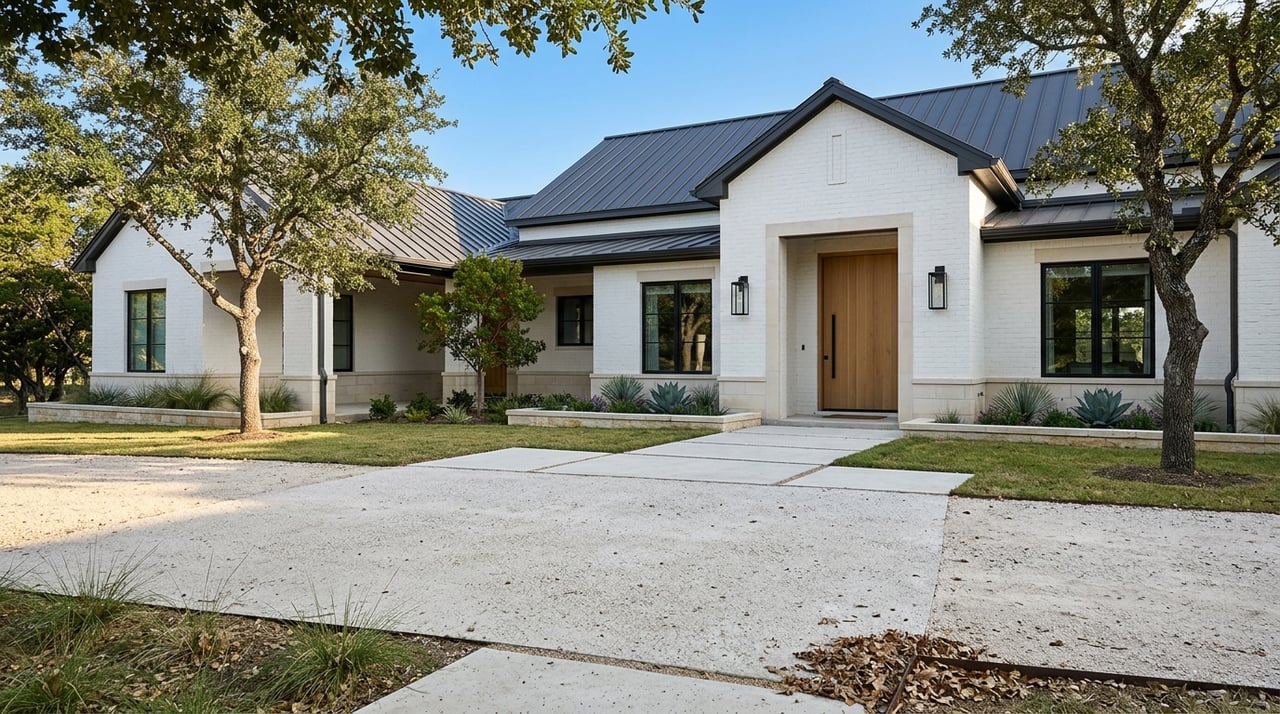
Custom homes on 1 to 20 acres or more are common. Many are single story or one‑and‑a‑half story with native stone and wood finishes. These properties can deliver privacy, views, and room for projects, but they require careful due diligence for wells, septic, and terrain.
Hobby farms, ranches, and large land parcels dot the area. You will evaluate water sources, soil, access easements, and fencing in more detail. This path suits buyers who want horses, equipment space, or future building flexibility.
Closer to downtown Dripping Springs, you will find older cottages and smaller homes within walking distance to shops and restaurants. The tradeoff is smaller lots with less privacy, but you get a compact, easy‑to‑maintain setup.
Prices vary widely with lot size, finishes, HOA amenities, school zoning, and whether a property sits inside city limits or in unincorporated Hays County. Historically, you will see:
Because local conditions shift with the Austin market, verify current pricing and timelines before you set your budget. Two similar homes can carry very different total costs due to tax rates, HOA fees, and utilities.
Dripping Springs is about 20 to 30 miles west of central Austin by road. Typical drive times to downtown range from around 30 minutes in light traffic to 45 minutes or more at rush hour. Travel time varies with your route and destination, especially if you are driving to tech campuses on different sides of the city.
Public transit access from Dripping Springs into Austin is limited, so most residents drive. The road network blends state highways with two‑lane county roads that can be narrow and winding. Plan extra buffer during busy windows and major events. Austin‑Bergstrom International Airport is roughly a 30 to 60 minute drive, depending on traffic and your exact starting point.
Dripping Springs Independent School District serves most city and nearby areas and is often cited as a draw for families. Attendance zones can shift with growth, so you should confirm boundaries for any address directly with the district. Enrollment timelines may influence your move planning, especially if you are relocating midyear.
Use neutral, factual sources and verify details that matter to your household. A local agent can help you find district contacts and map out options to review.
If you value the outdoors, Dripping Springs delivers. You have access to Hill Country parks and preserves for hiking and swimming, including well‑known spots like Hamilton Pool Preserve and state parks further west. Local creeks, sports fields, equestrian properties, and trail systems add day‑to‑day recreation near home.
The area also features wineries, distilleries, and event venues that support a lively weekend calendar. You can enjoy the small‑town social scene with farmers markets and local festivals while still being close to Austin’s concerts, food, and sports.
Hill Country terrain and mixed governance mean utility setups vary. Build this review into your search and inspections.
Buying from out of state is common in Dripping Springs. Texas contracts and local vendors are set up to support a smooth, remote‑friendly process.
The boundary you live on can shape your daily routine and your monthly budget. Inside city limits you may have city services and different tax rates. Outside the city, rural properties often rely on private wells and septic, and some neighborhoods operate under special utility districts.
This also affects permitting and future projects. If you plan to add a workshop, pool, or guest house, confirm which agency governs your property and what approvals are required.
Most errands will require a car outside the small downtown core. If you work from home, confirm internet providers by address early in your search. Some neighborhoods have fiber, while others rely on fixed wireless or satellite. A site visit and a call with providers can prevent surprises after closing.
Relocating is simpler when you have a local partner who can anticipate Hill Country details. With coordinated operations, consistent communication, and vendor access for inspections and repairs, you can shop from out of state and close with confidence. When you are ready to explore neighborhoods, compare commute options, or start virtual tours, reach out to 512Vibe Realty Group for a tailored plan.
Ready to make your move to Hill Country living? Connect with the team at 512Vibe Realty Group to map your search, schedule virtual tours, and navigate contract‑to‑close with ease.
Stay up to date on the latest real estate trends.
Get assistance in determining current property value, crafting a competitive offer, writing and negotiating a contract, and much more. Contact us today.