Picture this: quiet mornings with Hill Country views, afternoons on the water, and an easy drive to shops and dining when you need them. If you’re weighing a move or second home near Lake Travis, you’re likely balancing lifestyle dreams with practical questions about commute, utilities, docks, and seasonal rhythms. You want the fun without surprises. In this guide, you’ll learn how daily life really works around the lake, what types of homes you’ll find, and the key checks to do before you buy.
Let’s dive in.
Where Lake Travis fits in Austin
Lake Travis stretches along the Colorado River northwest of central Austin. The shoreline winds through limestone hills, coves, and bluffs with neighborhoods tucked between. The lake is part of the Highland Lakes system and is managed by the Lower Colorado River Authority. LCRA oversight shapes water levels, public access, and dock permitting.
You’ll find established lake communities like Lakeway and Lago Vista, plus Jonestown, Bee Cave nearby, and parts of western Austin. Each has a different feel, from municipal services and suburban conveniences to more rural, hill-country settings. RM 620 and FM 1431 are the main roads, and typical drive times to central Austin vary by exact address and traffic. Under light conditions, many areas fall in the roughly 20 to 40 minute range.
Local rules can vary by city and county. Much of the shoreline sits in unincorporated Travis County while other parts are inside city limits. LCRA regulates structures in the lake. Cities or the county handle land-side permitting.
Daily rhythm and amenities
The day-to-day around Lake Travis feels balanced and relaxed, with clusters of shops and services where you need them. Lakeway and the nearby Hill Country Galleria area offer grocery stores, restaurants, personal services, and big-box options. Smaller strips and marinas cover boating supplies and convenience needs. Waterfront restaurants and casual lakeside bars turn into social hubs when the weather is warm.
Healthcare is close by in Lakeway and surrounding suburbs for primary and urgent care. Full-service hospitals and specialty centers are accessible in greater Austin, Cedar Park, and Round Rock. K–12 education in much of the area is served by Lake Travis Independent School District. Always confirm attendance zones by address.
Public transit is limited, so most residents rely on cars. RM 620 and FM 1431 can back up during rush hour and summer weekends. Walkability varies by neighborhood, with some areas offering sidewalks and trails, and others feeling more car dependent.
Housing options around the lake
Lake Travis offers a wide range of homes. Your best fit will come down to how you want to use the property and how hands-on you want to be with maintenance.
- Lock-and-leave condos and townhomes: Great for commuters and second-home owners who want low-maintenance living with amenities.
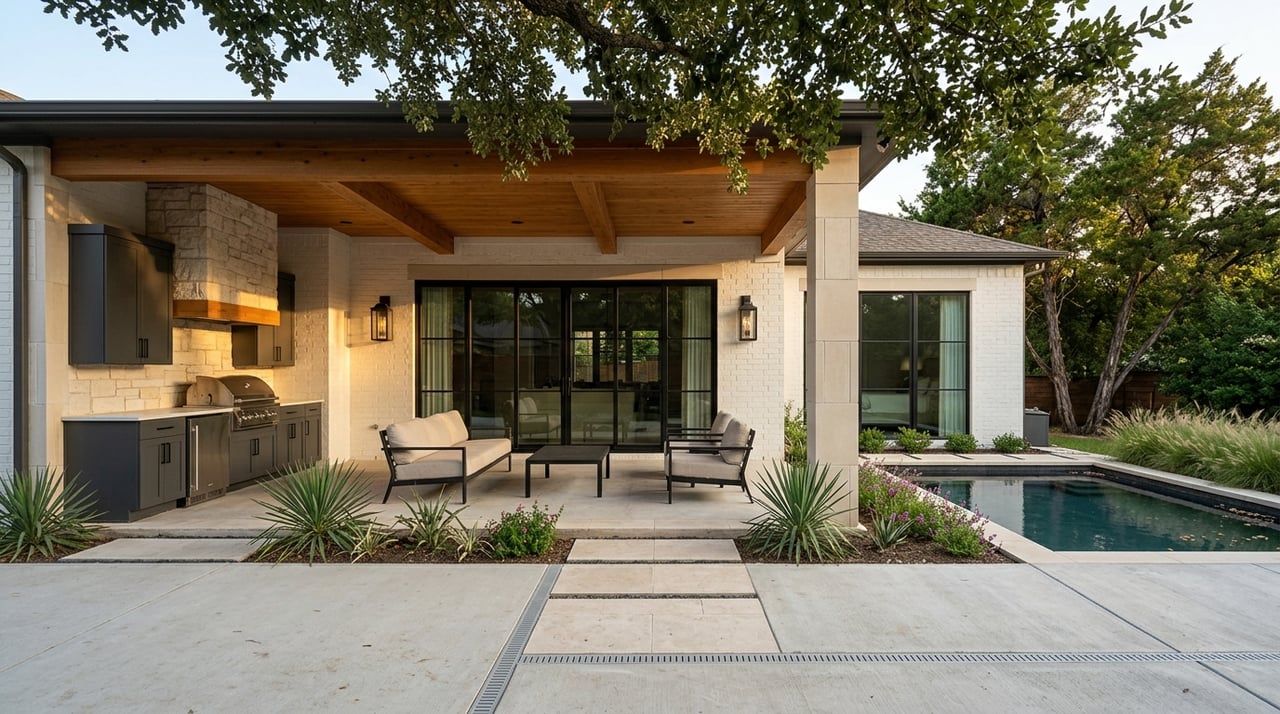
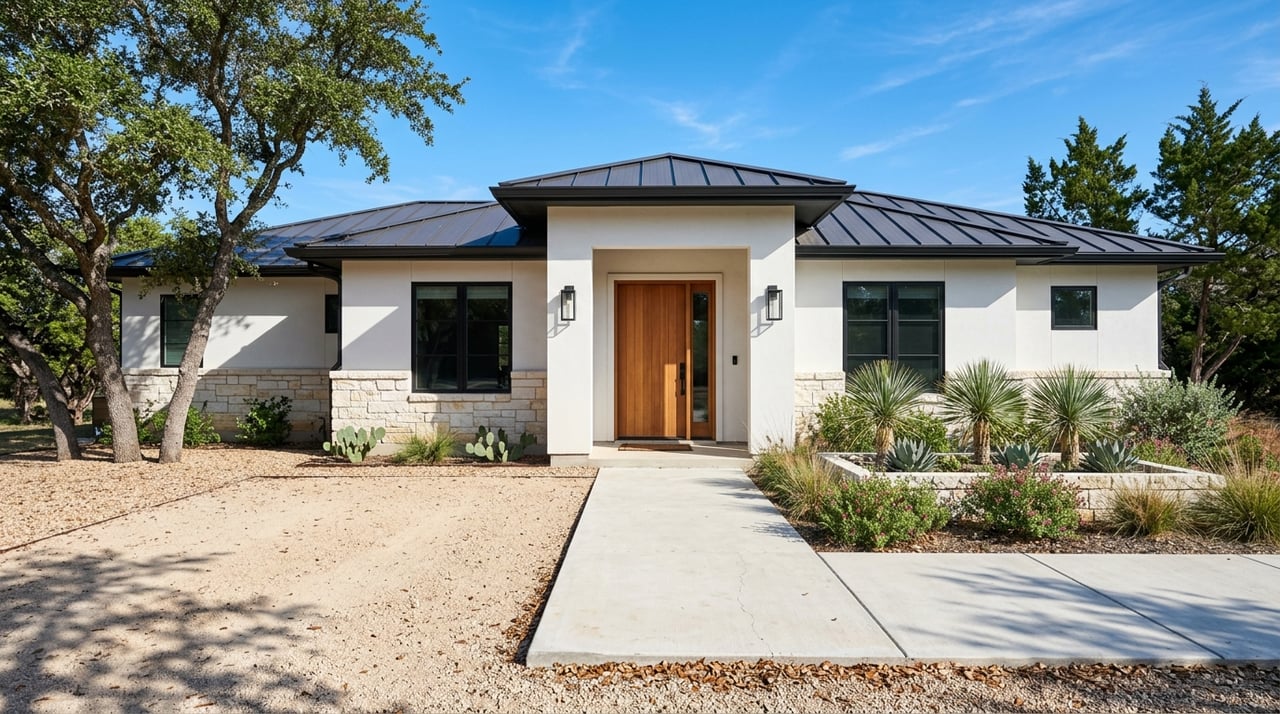
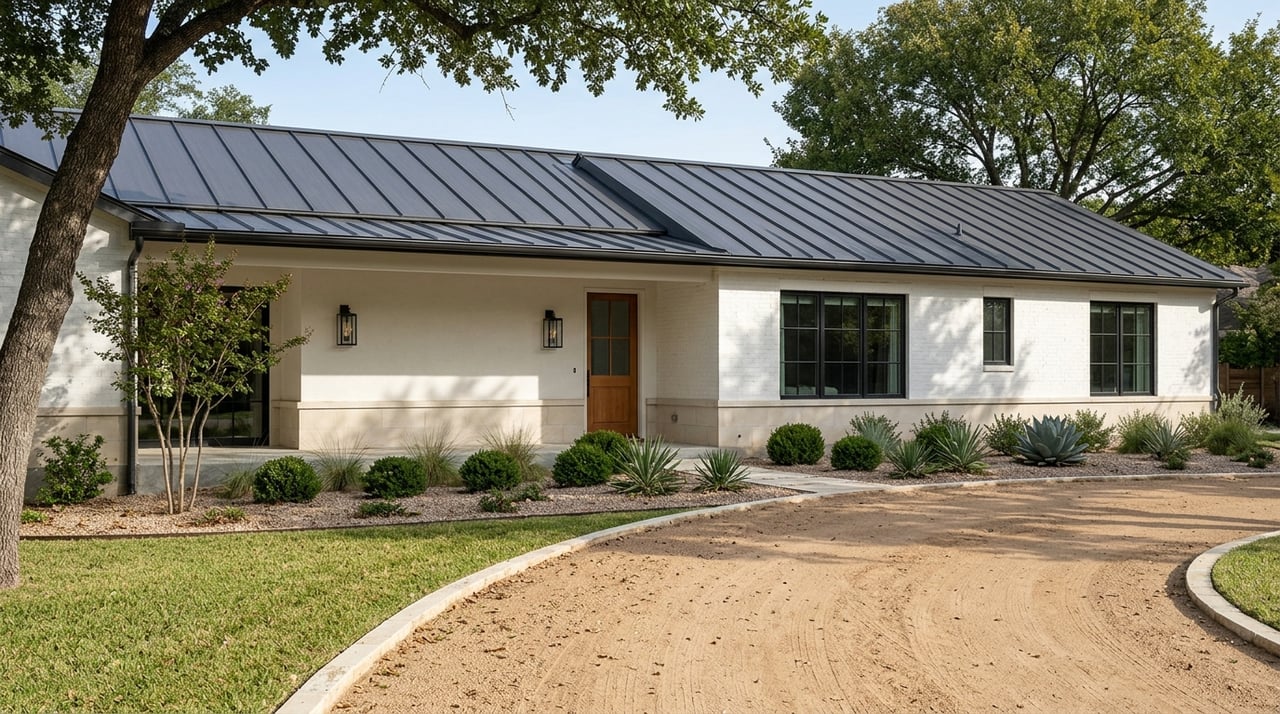
- Suburban single-family homes: Neighborhoods with yards and municipal utilities appeal to everyday convenience.
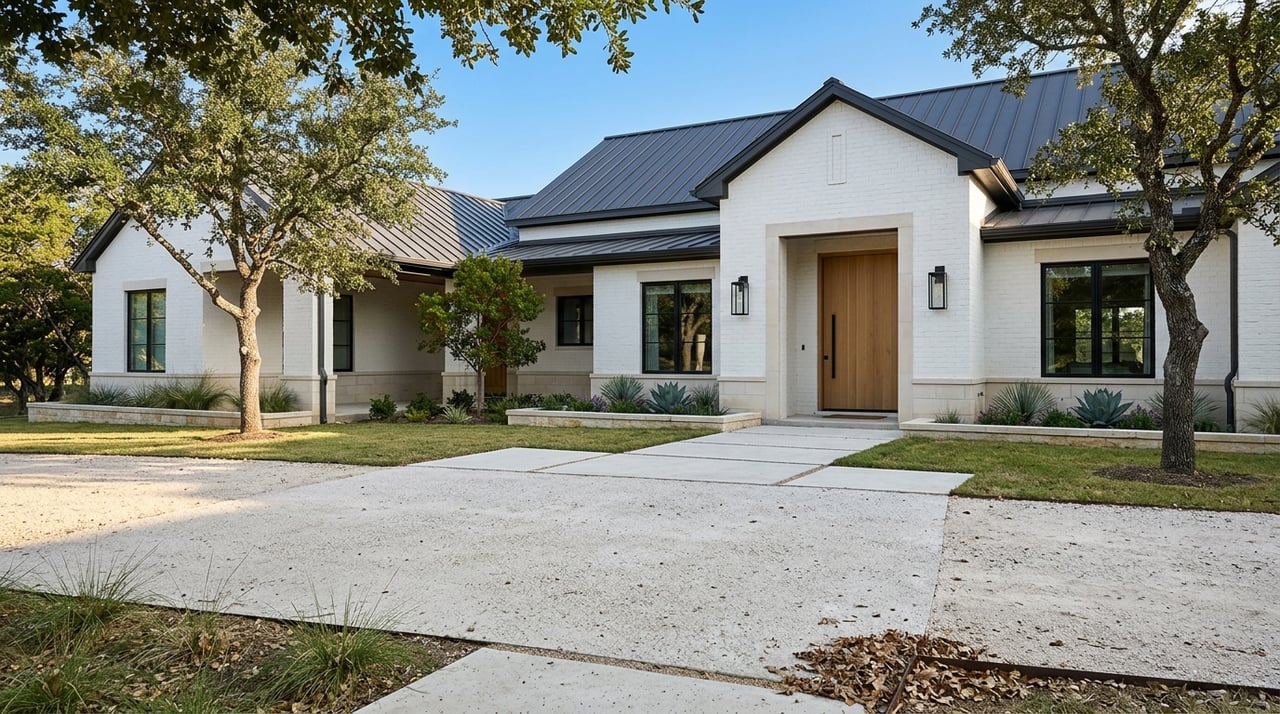
- Hillside and cliff-top estates: Multi-level designs maximize lake and sunset views. These are popular for both full-time living and vacation homes.
- True lakefront properties: Direct water access and private docks are limited and command a premium. Inventory is tight, and rules for docks and shoreline use apply.
Expect variation in HOA structures, utility setups, and maintenance needs. Some homes connect to city water and sewer while others use municipal utility districts or septic systems. Always verify utilities before you fall in love with a view.
Recreation and community
Lake Travis is a major playground for boating, sailing, wake sports, fishing, and paddling. Multiple marinas and boat ramps support different styles of lake access and storage. Permits for docks and shoreline structures typically involve LCRA and local jurisdictions, so plan ahead if a private dock is important to you.
County and regional parks provide public access to swimming areas, boat ramps, trails, and campsites. Pace Bend Park is a favorite for cliffside views and shoreline recreation. Warmer months are lively at parks and ramps, while cooler months feel calmer.
Community life follows the water. Seasonal festivals, boating gatherings, and farmers markets pop up, especially in spring and summer. Fishing is popular, with sport anglers targeting largemouth bass and other freshwater species.
Commute, noise, and seasonal flow
The calendar shapes life here. Summer weekends bring more boat traffic, louder waterfront activity, and busier roads. Holiday weekends can mean crowded ramps and slower drives on RM 620 and FM 1431. Winters tend to be quieter.
If you commute, test your route during your normal drive times before you buy. Many neighborhoods sit within a roughly 20 to 40 minute drive to downtown Austin in light traffic. Hybrid or remote work can make the lake lifestyle even easier.
Practical realities to know before you buy
Lake living is special, but it comes with details to check upfront. A solid due diligence plan will save you money and stress later.
- Docks and shoreline rights. Ask whether the property has an existing dock, confirm permits or leases, and learn what is transferable. LCRA regulates structures in the lake and publishes rules for operations and access.
- Water levels and drought. Reservoir levels can fluctuate during drought. This can change dock usability, shoreline access, and the look of the water from your property.
- Flood risk and insurance. Some low-lying coves and riparian lots can sit in floodplain. Order elevation certificates, consult official flood maps, and obtain accurate insurance quotes early.
- Utilities and septic. Verify whether water and sewer are municipal or handled by a MUD or septic. Septic systems need inspection and maintenance and can affect financing and resale.
- Internet and connectivity. Coverage is strong in many neighborhoods, but rural pockets may rely on fixed wireless or have limited provider choices. Confirm by address before you write an offer.
- Terrain and feasibility. Steep slopes, limestone outcrops, and thin soils can impact construction, foundation costs, and remodeling plans. Order a site or geotechnical evaluation for vacant land.
- Permits and restrictions. City or county rules and HOA covenants can shape remodels, dock construction, landscape changes, and rental use. Always verify with the appropriate local authority and HOA.
- Short-term rental rules. STRs are regulated differently by city, county, and HOA. Check the rules before you underwrite a purchase using nightly rental income.
- Property taxes and carrying costs. Travis County property taxes and insurance can be significant line items. Get quotes early, especially for lakefront and older homes.
Who loves living here
- Everyday lake enthusiasts. If time on the water is a priority, proximity to a marina or ramp may matter more than a private dock.
- View seekers. Hillside homes that trade waterfront for big views offer a compelling value and lower maintenance.
- Second-home owners. Lock-and-leave condos near marinas help you use the lake without week-to-week upkeep.
- Families. Many neighborhoods in the area are served by Lake Travis ISD. Confirm the assigned schools by address to align with your goals.
- Retirees and right-sizers. The quieter winter season and relaxed pace appeal to those who want nature, views, and convenience.
How to choose your Lake Travis area
Use this simple process to match lifestyle goals with an address that works year-round.
- Define your lake priority
- Private dock, slip at a marina, or public ramp access. Decide what you really need and what you will actually use.
- Map your daily routes
- Test-drive to work, schools, and favorite stores at peak times. Include weekend paths to marinas and parks.
- Confirm utilities and internet
- Identify water, sewer, and internet providers by address. Factor septic maintenance or limited ISP options into your budget.
- Set your sound and season expectations
- Visit on a summer weekend and a weekday evening. Listen for boat noise and check traffic patterns.
- Budget for maintenance
- Waterfront and view homes can carry higher upkeep costs. Ask about dock service, shoreline care, and exterior maintenance on hilltop homes.
- Verify the rules
- Review HOA covenants, city or county permits, and any LCRA requirements for docks or shoreline use.
Trusted resources to bookmark
- Review LCRA guidance on lake operations, public access, and dock permitting through the authority’s official website. Start with the LCRA homepage for current notices and resources.
- Explore Lake Travis ISD information on schools and attendance zones on the district’s official site.
- Check Travis County Parks for park hours, fees, and updates for destinations such as Pace Bend Park.
- For local permits and city services, use official city websites for Lakeway and Lago Vista.
- For water-quality advisories and regional environmental updates, refer to the Texas Commission on Environmental Quality.
Helpful links:
Get a local guide in your corner
Choosing the right Lake Travis home is part lifestyle and part logistics. A knowledgeable agent can help you confirm dock status with LCRA, interpret floodplain and utility details, evaluate HOA and STR rules, and coordinate inspectors and vendors. You should also expect polished marketing and strong operations if you need to sell a current home to make the move.
If Lake Travis living is on your radar, let our hyperlocal team help you compare neighborhoods, test commute and access tradeoffs, and move forward with confidence. Reach out to 512Vibe Realty Group to start planning your next step.
FAQs
How far is Lake Travis from downtown Austin?
- Many Lake Travis neighborhoods are roughly 20 to 40 minutes from central Austin in light traffic. Drive times vary widely by exact address and peak-hour conditions.
Can any lakefront home have a private dock on Lake Travis?
- Not automatically. Docks are regulated, and permits or leases are typically required. Confirm existing permits and whether new docks are allowed before you buy.
What utilities should I expect near Lake Travis?
- Developed areas often have municipal water and sewer, while rural pockets may use MUDs or septic. Internet varies by address, with fiber and cable in many areas and fixed wireless in others.
Is it noisy in summer near Lake Travis?
- Summer is peak season with more boat traffic and busier waterfront spots, especially on weekends and holidays. Off-season living is typically quieter.
Which schools serve homes around Lake Travis?
- Much of the area is served by Lake Travis ISD, but attendance zones vary. Always confirm school assignments by checking a specific address.
Should I worry about flooding when buying near the lake?
- Some shoreline and low-lying lots can be in flood-prone areas. Order elevation certificates, consult official flood maps, and get insurance quotes before closing.
Are short-term rentals allowed in Lake Travis communities?
- Rules depend on the city, county, and HOA. Many communities regulate or restrict STRs. Verify current rules for your address before making plans.