South Congress Condo vs Bungalow Living in 78704
March 24, 2026
March 24, 2026
Trying to decide between a condo or a classic bungalow in South Congress? You’re not alone. In 78704, both options deliver great access to food, music, and downtown, but the day-to-day feel is very different. In this guide, you’ll learn what life looks like in each, what costs to plan for, and the rules that can affect your plans. Let’s dive in.
South Congress sits at the heart of 78704, surrounded by Travis Heights, Bouldin Creek, Zilker, and Barton Hills. The corridor is known for dining, live music, and independent boutiques, a scene shaped by the South Congress commercial district.
Prices in 78704 run higher than Austin’s citywide median. Across major data sources, medians commonly fall somewhere in the $700k to $900k range as of early 2026. Exact figures vary by property type and block.
Walkability is one of the area’s biggest draws. Pockets along South Congress, South First, and South Lamar post high Walk Scores, with representative areas in the 75 to low 80s. You can check a sample for the ZIP on Walk Score’s 78704 page. If you prefer to go car-light, Capital Metro routes and the South Congress Transit Center improve your commute options on the corridor. See CapMetro’s park and ride guidance for context.
Condo communities near South Congress often sell a “lock-and-leave” lifestyle. You trade yard work for shared amenities and a quick stroll to coffee, dining, and shows.
Most SoCo condos favor efficient floor plans. Expect open living spaces with 1 to 2 bedrooms and vertical living in some buildings. Shared walls, hallways, and building systems shape how sound carries and how much storage you have.
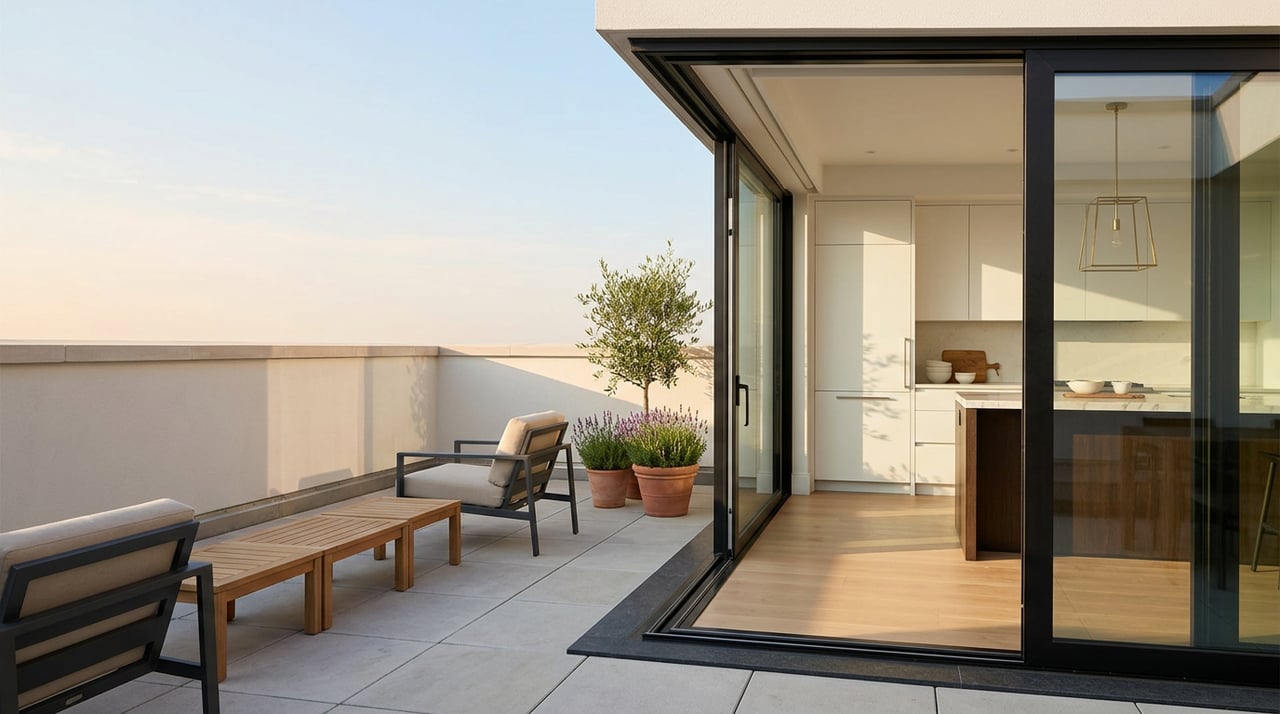
You’ll likely have a balcony or small patio instead of a private yard. The upside is less maintenance. Monthly HOA dues typically cover exterior upkeep, landscaping, and common areas. Keep in mind that HOA dues can change over time. National research shows HOA fees have been rising in recent years, so budget with a cushion and confirm the building’s reserves and plans in detail. For a national snapshot, see the recent HOA dues trend summary.
Most buildings include designated parking, sometimes covered or in a shared garage. Ask whether spaces are deeded or assigned and review guest parking rules. If you love to walk for errands and nights out, condos close to the core SoCo blocks can reduce how often you need a car. Transit access from the corridor helps too, as noted in CapMetro’s park and ride info.
Condo life means neighbors above, below, and beside you. Newer buildings may include sound‑mitigating features, but you should test noise levels during tours. Stand in the unit at different times of day to gauge traffic and nightlife sounds, especially on or near South Congress.
Your big recurring costs are mortgage, property taxes, insurance, and HOA dues. Condo owners usually carry an HO-6 policy for interior finishes, personal property, and liability, while the association holds a master policy for the building shell and common areas. If you are new to condo coverage, this HO-6 overview is a helpful primer. Always confirm exactly what the master policy covers so you do not double pay for coverage.
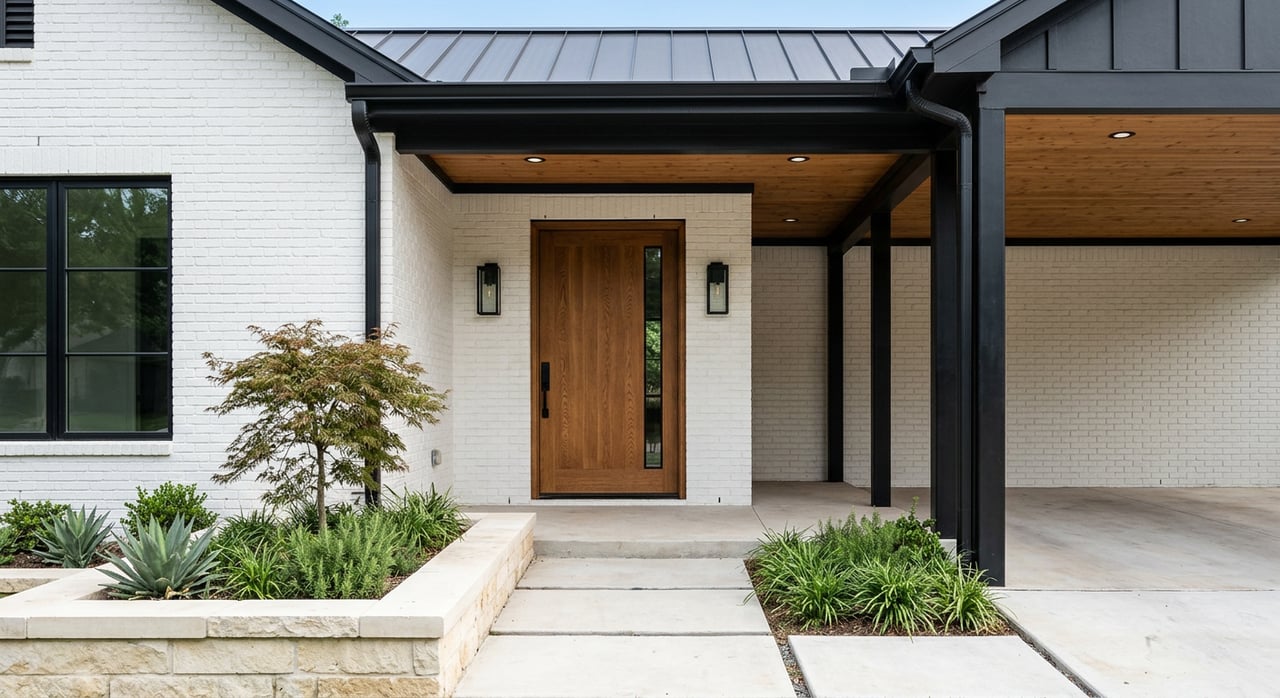
If you want a front porch, mature trees, and a private yard, a 78704 bungalow could be your fit. Many are one story with Craftsman or mid-century charm.
Bungalows typically offer single-level living and more storage flexibility. Detached or alley-access garages are common, which helps with bikes, tools, and gear. Interior rooms may be more defined than in an open-plan condo.
You control your own yard, which is great for pets, gardening, and outdoor entertaining. The tradeoff is you take on all exterior maintenance or budget for a lawn and tree service.
Many bungalows have driveways and detached garages. On-street parking can be tight on popular blocks, especially near South Congress on busy nights. If you want to walk to the action, look at interior streets close to the corridor that still post strong Walk Scores, like parts of Travis Heights and Bouldin.
You’ll likely have more separation from neighbors than in a condo. Still, homes right on South Congress or on cut‑through streets can feel busier. Tour at night and on weekends to experience true noise levels.
A key advantage of a bungalow is the potential to add space or create a separate unit, subject to local rules. Austin’s recent HOME amendments broaden options for smaller-scale infill and accessory units in single-family zones. If an ADU is part of your plan, review the City of Austin’s HOME amendments page and confirm site-specific limits like setbacks, impervious cover, and utilities.
Before you fall in love with a listing, check these items. Each can affect how you live, what you can build, and your total cost of ownership.
In Texas, condominiums are governed by the Uniform Condominium Act and related Property Code sections. You have the right to review key documents during due diligence, including governing documents, budgets, reserve studies, minutes, and a resale certificate. Get familiar with the framework in Texas Property Code Chapter 82 and request the resale certificate early.
If you plan to offset costs with Airbnb or similar platforms, verify licensing and building rules before you write an offer. The City of Austin’s STR program requires permits and has operating rules that have evolved over time. Some HOAs prohibit short-term rentals entirely, while single-family blocks may have spacing or licensing restrictions.
Parts of Travis Heights and nearby areas fall within historic districts or have individual landmarks. Renovations and demolitions in these areas can require extra reviews or approvals. Check address-level status and recent cases through the city’s public boards. The Historic Landmark Commission docket is a good starting point for understanding the process.
Low-lying properties near creeks or the lakefront can map into floodplains, which affects insurance availability, permits, and construction choices. Do not skip an address-level FEMA and city check and ask for any elevation certificates or flood history disclosures. City staff reports, such as this South Congress area staff review with floodplain context, show how closely Austin tracks these issues.
HOME Phase 1 and related code updates offer more flexibility for adding small units on single-family lots. Site constraints still apply. If you are counting on rental income or a backyard studio, verify feasibility with the City’s HOME resource and a permit specialist.
Travis County property taxes are a meaningful line item for both condos and bungalows. Budgets shift year to year across overlapping entities like the City of Austin and Austin ISD, so build taxes into your monthly affordability and ask your lender for realistic estimates.
Use these as starting points, then tailor to the address and building.
Condo recurring costs
Bungalow recurring costs
One-time items to budget
A focused checklist makes your tours more productive and can save you from surprises later.
Start with lifestyle, then test the numbers and rules.
Not sure which is right for you on a specific block in 78704? Our team lives and works this market daily, from corridor condos to tucked-away bungalows. If you want a clear plan, reach out to 512Vibe Realty Group for a neighborhood-driven consult tailored to your goals.
Stay up to date on the latest real estate trends.
Get assistance in determining current property value, crafting a competitive offer, writing and negotiating a contract, and much more. Contact us today.