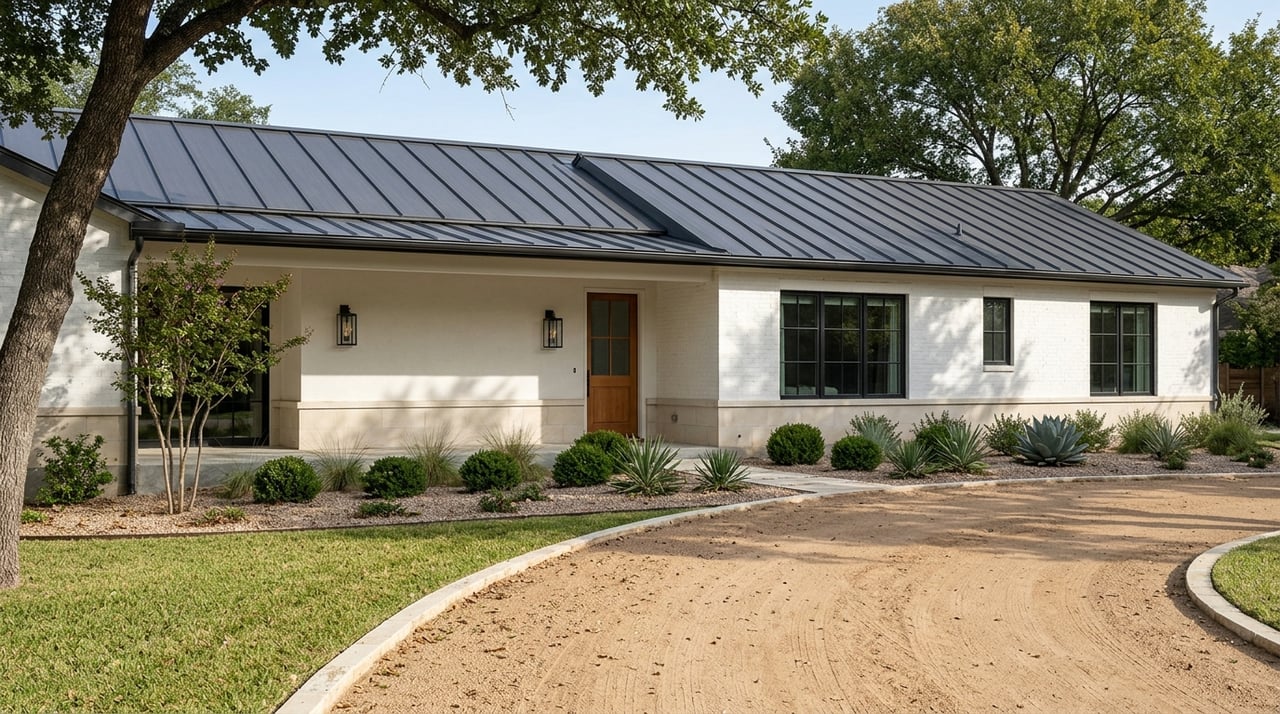
New Construction And Resale Homes In Dripping Springs
May 28, 2026
May 28, 2026
Are you torn between a brand-new home and an established property in Dripping Springs? You are not alone. In a fast-growing Hill Country market with both expanding subdivisions and older homes near historic areas, the right choice often comes down to how you want to live, how soon you want to move, and how much flexibility you want in the process. This guide will help you compare new construction and resale homes in Dripping Springs so you can make a smarter, more confident decision. Let’s dive in.
Dripping Springs continues to grow quickly, and much of that growth has happened in residential subdivisions within the city limits and extraterritorial jurisdiction. The city has also noted that this continued growth is putting pressure on infrastructure, transportation, recreation, and the school district. For you as a buyer, that means you will find a mix of newer communities and long-standing housing pockets.
At the same time, Dripping Springs still has established homes with local character, especially around Mercer Street and the historic districts. That gives you two very different paths. You might prefer the convenience of a newer planned community, or you may be drawn to the feel of an older property in a more established setting.
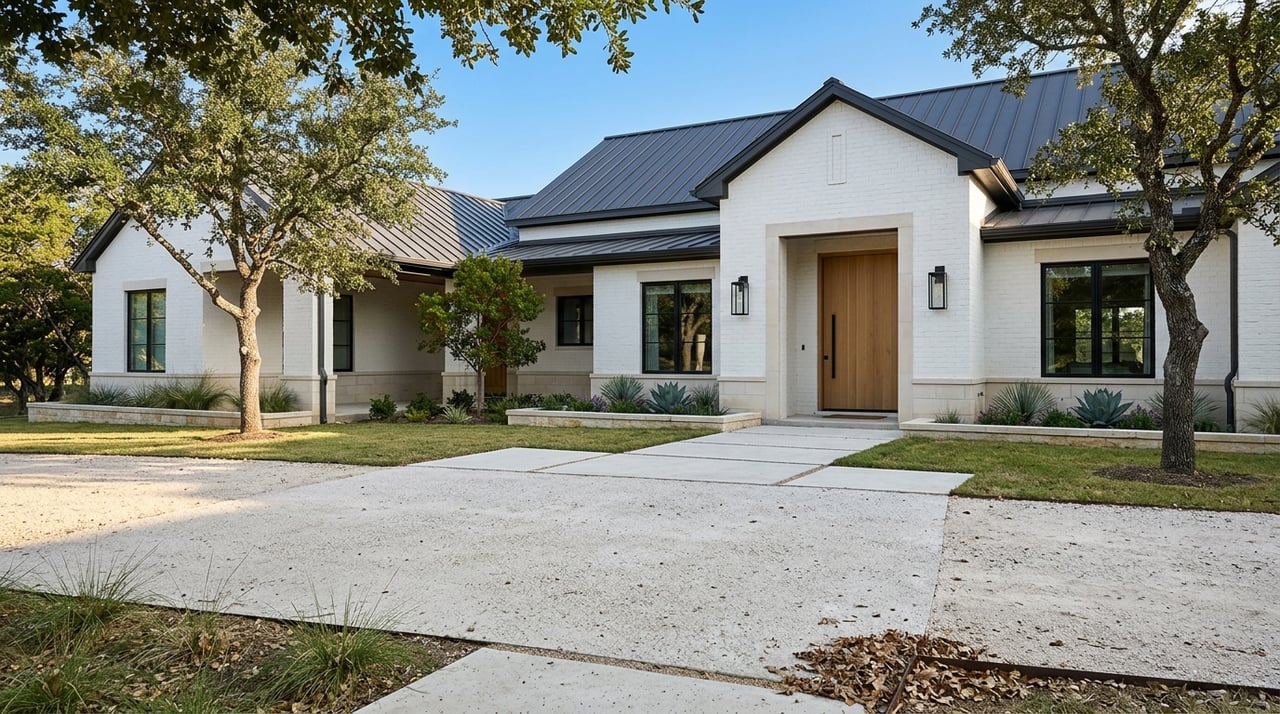
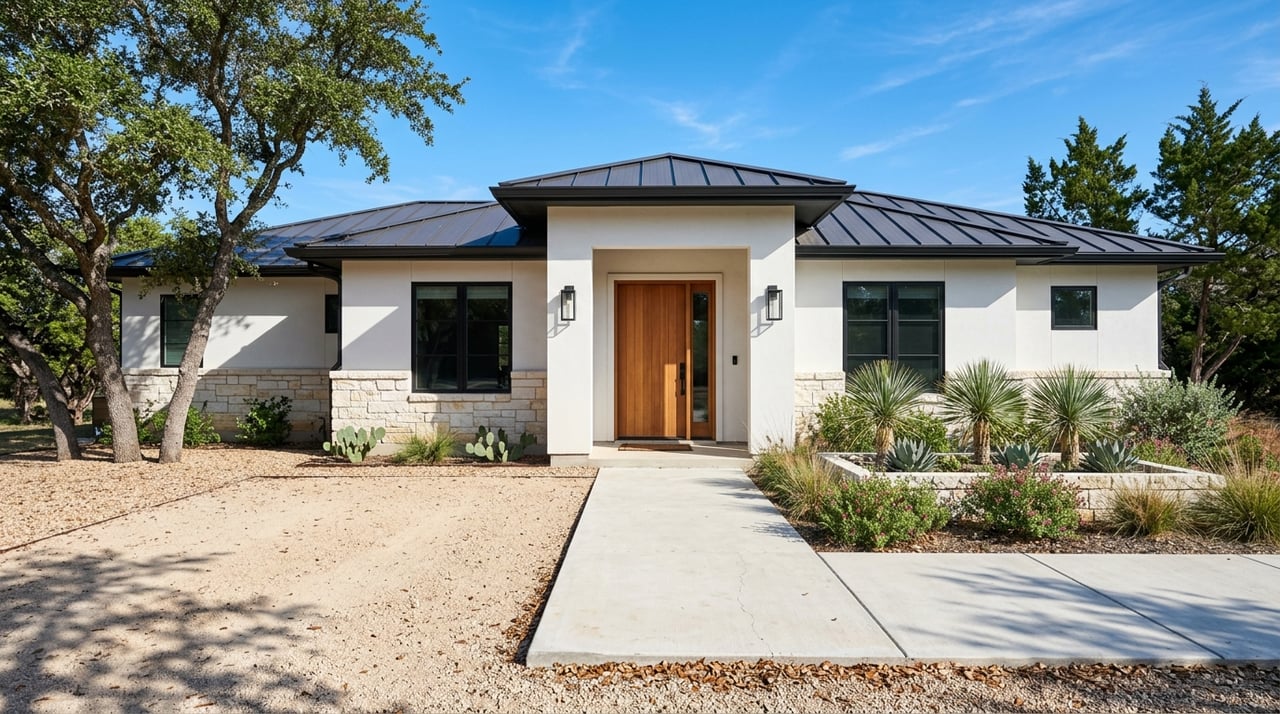
New construction in Dripping Springs is not one single style or price point. Some communities offer more compact homesites with neighborhood amenities, while others include larger homesites and custom-build opportunities. That range is one reason new construction appeals to so many buyers.
In Headwaters, for example, homesites include 50-foot and 80-foot lots, with homes roughly ranging from 1,800 to 4,200 square feet. In Caliterra’s custom-lot section, homesites can reach just over 1 acre. The city’s Anarene and Double L plan also reflects how broad the market can be, with residences ranging from garden homes to estate homes over an acre.
If customization matters, new construction usually has the edge. Some builders in Dripping Springs offer quick-move-in homes, while others let you choose a lot, floor plan, and a range of design options. That can make it easier to match the home to your lifestyle instead of adapting your lifestyle to the home.
You may also like the appeal of newer systems and materials. A new home often means less immediate wear and tear, plus a builder warranty that may cover workmanship and materials for a limited time. That is different from a paid home-warranty service contract, which is more common with existing homes.
The tradeoff is usually time and complexity. New construction often involves more steps before move-in, especially if the home is not yet complete. The City of Dripping Springs requires site-development approvals before construction and lists permit categories for many parts of the building process, including new construction, electrical, plumbing, roofing, pools, and driveways.
If you are looking at a custom build or an acreage property, the timeline can become even less predictable. In unincorporated parts of Hays County, properties with septic systems require OSSF permits, and those applications go through both administrative and technical review before approval. That can add another layer of timing to your purchase.
Resale homes offer a different kind of value. Instead of choosing finishes and waiting on construction, you are usually evaluating a finished property in an established setting. That can be especially appealing if you want a more familiar purchase timeline or need to move sooner.
In many cases, resale also gives you access to mature neighborhoods, older trees, and homes with a different architectural feel than what you may see in newer subdivisions. In Dripping Springs, that could mean a property near older parts of town or in a neighborhood that has had time to settle in.
The biggest advantage for many buyers is speed. With a resale home, the process usually follows a more standard path: accepted offer, inspection, appraisal, and closing. That tends to be more predictable than a to-be-built home.
Resale homes can also offer established-property character. In a place like Dripping Springs, where some homes and buildings with historic significance remain, that can be part of the appeal. You may find larger lots, a more lived-in streetscape, or details that feel harder to replicate in a new build.
With an existing home, condition matters more. In Texas, sellers of previously occupied single-family homes generally must provide the TREC Seller’s Disclosure Notice to share known material facts and physical-condition information. That disclosure is helpful, but it should not replace your own due diligence.
A home inspection is still one of the most important parts of a resale purchase. It can help you understand the true condition of the property and flag issues before they become more costly or harder to address. If you are comparing homes with different ages, that step becomes even more valuable.
One of the biggest differences between new construction and resale in Dripping Springs is how the homesite and neighborhood feel. Newer master-planned communities often trade larger lots for amenities and a more organized neighborhood layout. The city’s draft comprehensive-plan materials note that this trend toward smaller lots in amenity-rich developments has happened more broadly as buyers prioritize shared features and convenience.
Older properties can feel different. You may find more separation between homes, more natural variation from one property to the next, or a more spacious Hill Country setting. If lot size is high on your list, it is worth comparing not just square footage, but also how the property sits on the land and how the surrounding area feels day to day.
If timing is a major factor, resale usually has the advantage. Once your offer is accepted, the path to closing is more familiar and generally easier to estimate. That can be important if you are coordinating a lease ending, a job relocation, or the sale of your current home.
New construction can still be a great fit, but you should expect more variables. Permit timing, builder schedules, site conditions, weather, and utility or septic-related approvals can all affect when the home is ready. If you need flexibility and want more say in the finished product, that may be worth it.
Your maintenance experience may look different depending on which type of home you choose. A newer home may come with fewer immediate repairs and the added benefit of a builder warranty for limited periods. That can provide some peace of mind, especially during your first year of ownership.
With an existing home, upkeep depends on the property’s age, systems, and prior maintenance. In Dripping Springs, local conditions matter too. The city’s landscape ordinance emphasizes drought-tolerant plant selection, tree preservation, and drip-irrigation incentives, which can shape how yards are designed and maintained.
If the property uses septic, maintenance becomes another important factor. Hays County and TCEQ both note that septic systems require permits and ongoing maintenance, and TCEQ recommends pumping conventional septic tanks every three to five years. That does not make a septic property a bad option, but it does mean you should understand the responsibilities before you buy.
If you are planning ahead, it helps to understand how growth is affecting the area. DSISD reports 61% enrollment growth over the last decade, with current enrollment at 8,714 and projections above 10,000 students in the 2026 to 2027 school year. The district has also approved new elementary and middle school attendance zones for 2025 to 2026, including a new elementary school under construction in Headwaters.
For buyers, this is a reminder to verify current attendance zones and stay aware of ongoing district changes. In a fast-growing market, community planning and school boundary updates can be part of the larger picture as you compare neighborhoods and home types.
The real choice in Dripping Springs is often not simply new versus old. It is usually planned-community convenience versus established-property character. Both can be great options, but they serve different priorities.
New construction may be the better fit if you want:
Resale may be the better fit if you want:
Start with your non-negotiables. Think about your ideal move-in timeline, lot size, willingness to handle maintenance, and how important customization is to you. When you are clear on those priorities, the decision gets much easier.
It also helps to compare homes beyond the listing photos. In Dripping Springs, two homes with similar square footage can offer very different lifestyles depending on the lot, community layout, utility setup, and stage of construction. Looking at the full picture can save you time and help you avoid costly surprises.
Whether you are leaning toward a quick move-in resale or a brand-new build, local guidance matters in a market this varied. If you want help comparing neighborhoods, evaluating lot and timeline tradeoffs, or preparing your current home for a move, 512Vibe Realty Group can help you navigate Dripping Springs with a clear plan.
Stay up to date on the latest real estate trends.


Get assistance in determining current property value, crafting a competitive offer, writing and negotiating a contract, and much more. Contact us today.