Lake Travis Lifestyle Home Features to Design Around
July 2, 2026
July 2, 2026
If you picture a Lake Travis home as just a generic lake house, you may miss what really matters here. Around Lake Travis, the best home design choices are usually shaped by slope, views, water access, storage needs, and changing lake levels. If you are thinking about buying, building, remodeling, or selling in the area, understanding those details can help you create a home that fits how you actually want to live. Let’s dive in.
Lake Travis is an 18,622-acre reservoir on the Colorado River in Travis and Burnet counties. According to LCRA, it is the only Highland Lakes reservoir specifically designed to hold back floodwaters, with a conservation pool at 681 feet msl and added flood storage above that. That matters because your lot is not just about the water view. It also affects how you plan for access, siting, and long-term use.
TPWD describes Lake Travis as steep-sided, with relatively few shallow coves and shoal areas. In practical terms, that means homes here often work best when they respond to elevation changes instead of fighting them. A home that fits the land usually feels more functional and more comfortable over time.
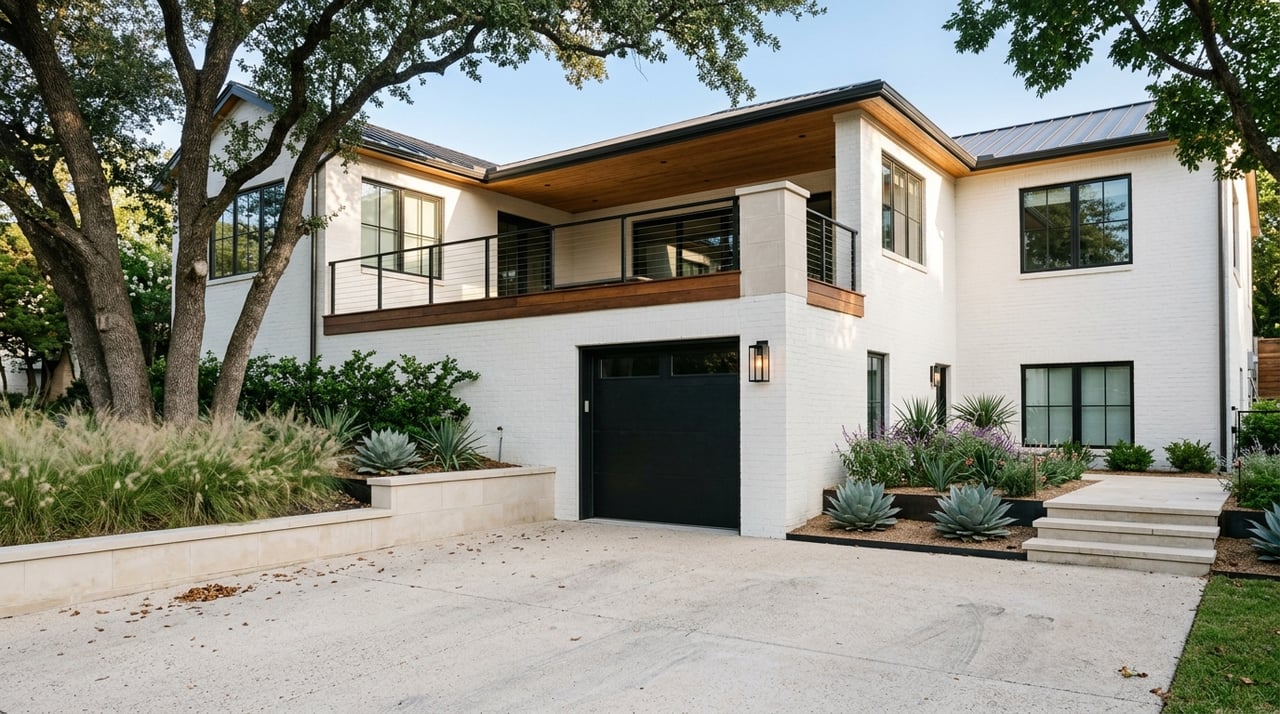
On a flat suburban lot, your design priorities may center on yard space and footprint. On Lake Travis, a sloped site often changes the conversation toward terraces, multi-level patios, walk-out lower levels, and view-oriented rooms. These choices can make the home feel more connected to both the lake and the Hill Country setting.
Steep terrain can also influence where you place outdoor living areas, parking, and storage. Instead of forcing one large backyard concept, many owners benefit from a layered approach. That could mean an upper deck for views, a covered patio for shade, and a practical lower-level entry for gear and cleanup.
A big part of the Lake Travis lifestyle happens outside. TPWD notes that LCRA and Travis County Parks operate 15 parks on the reservoir, with a mix of campgrounds, beaches, picnic areas, boat ramps, and shoreline fishing access. That recreation mix helps explain why many homes here need to function as both everyday residences and easy gathering places.
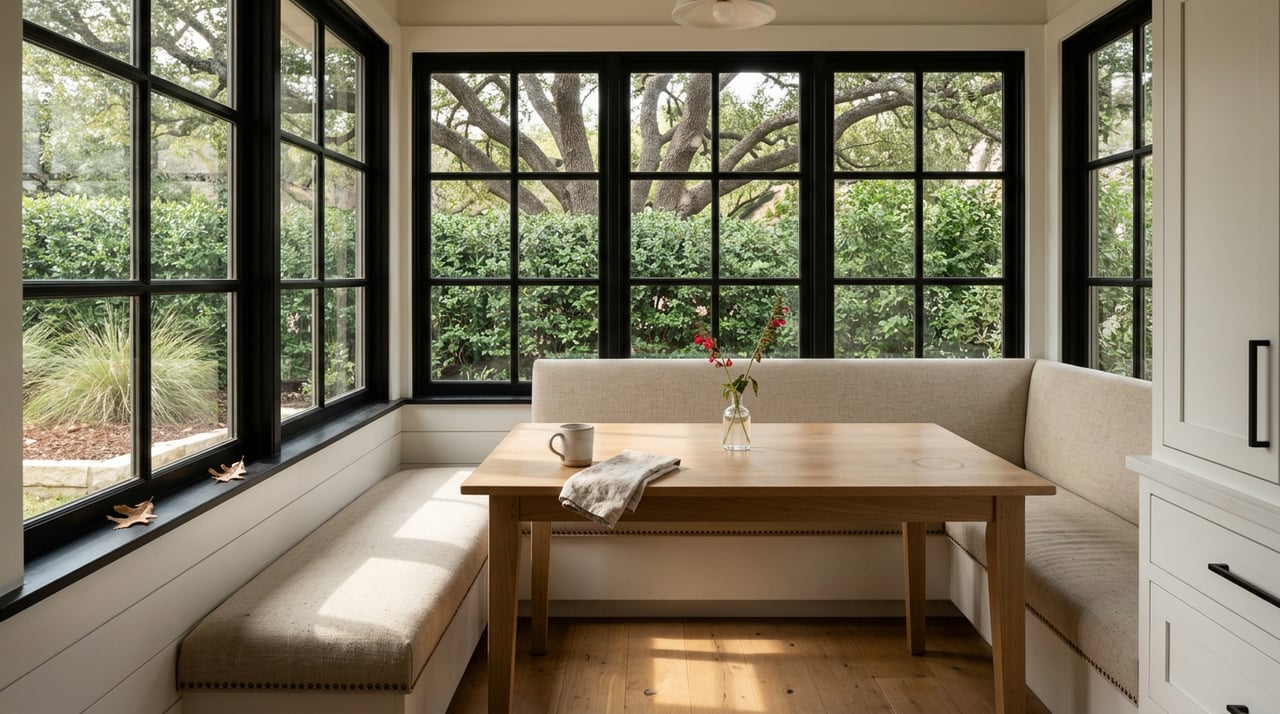
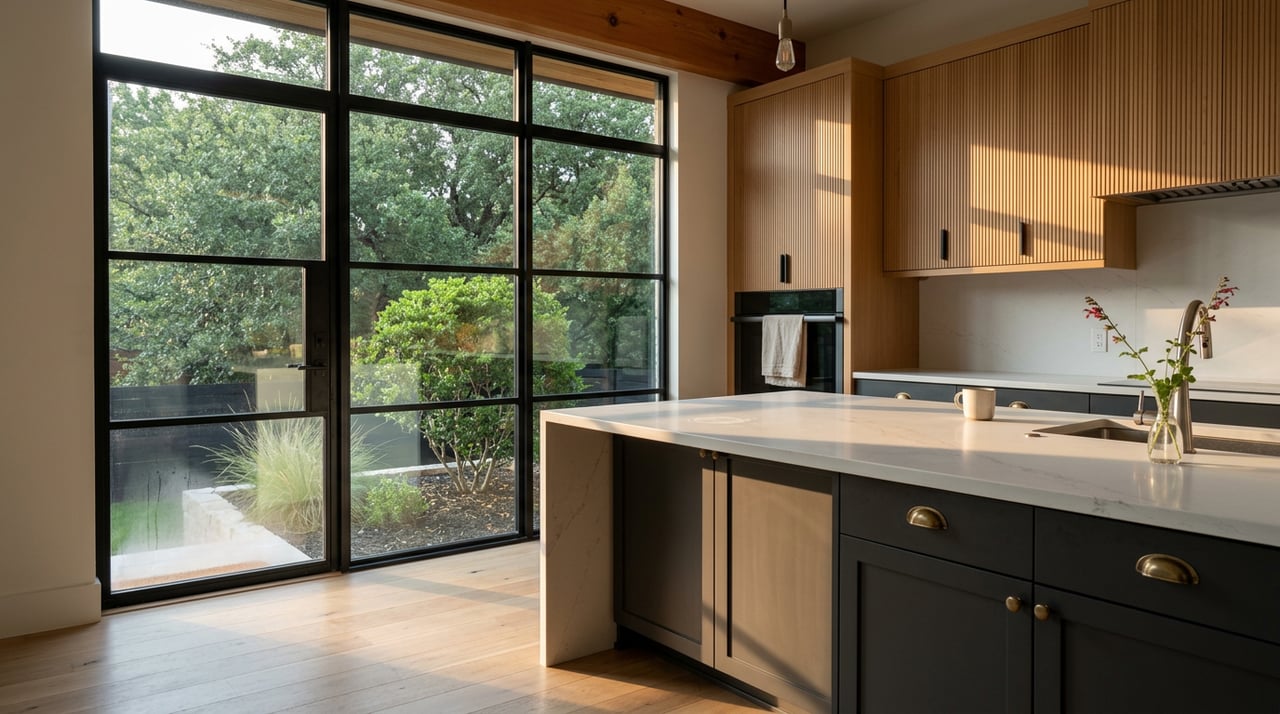
The most useful design features are often the simplest. Wide decks, covered patios, outdoor kitchens, and large windows facing the water or Hill Country can make the home feel connected to the setting all year long. These features are especially practical when the lot has natural elevation and broad sightlines.
The goal is not to copy a style from somewhere else. The goal is to make the outdoor space easy to use, comfortable, and tied to the lot you have.
Lake life usually comes with more equipment than people expect. Life jackets, coolers, fishing gear, towels, towables, and extra shoes all need a place to go. On Lake Travis, that kind of storage is not just a nice extra. It can be a major part of what makes the home feel organized.
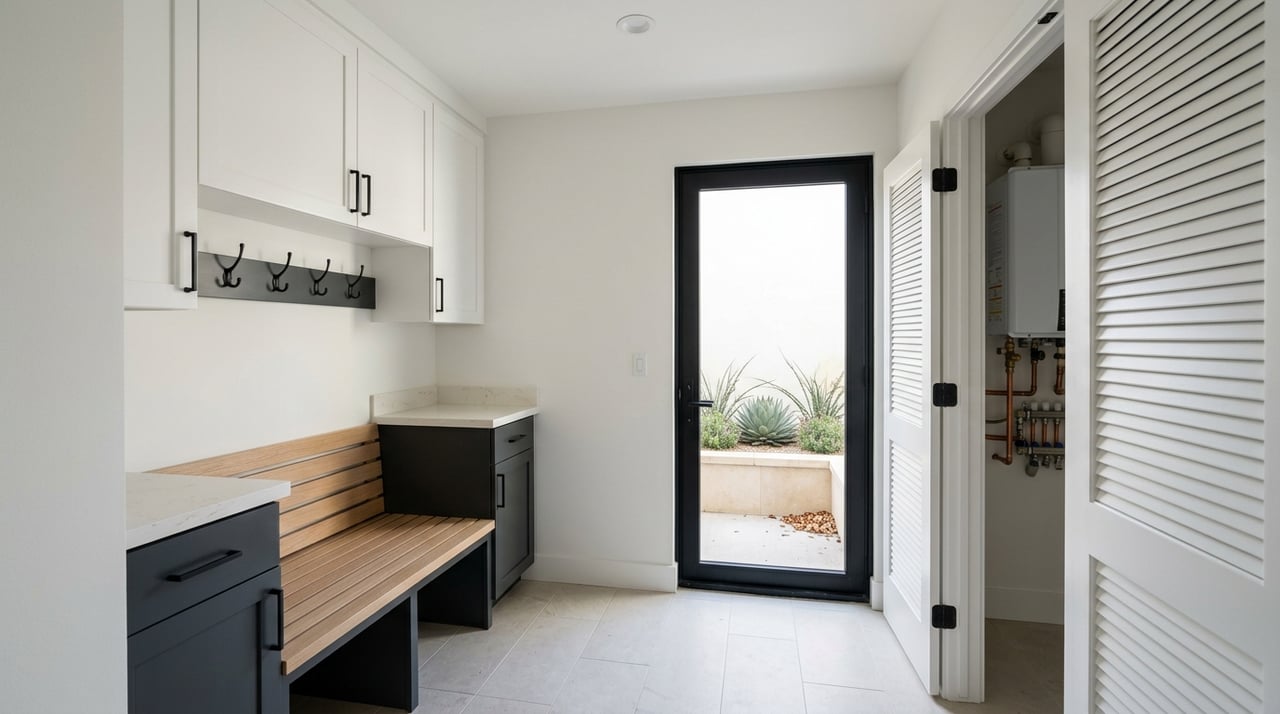
LCRA notes that dock and marina facilities must contend with wind, waves, wakes, and fluctuating lake levels. TPWD also says access on Travis Reservoir is highly sensitive to water-level variation. That makes practical features like mudrooms, trailer bays, boat storage, and rinse-down areas especially valuable.
These details may not be the first thing you notice in listing photos. Still, they often make a big difference in daily life and in how a home shows to buyers who understand the area.
Not every Lake Travis home is a weekend-only retreat. TPWD’s 2022 survey notes that residential properties are more common in the lower reservoir, while the upper reservoir is more ranch-oriented. That mix helps explain why many buyers want homes that support both full-time living and hosting.
A flexible floor plan can help you adapt over time. A guest suite, media room, or quiet office may work better than a layout built around one narrow use. If you spend part of the week working from home and part of the weekend hosting friends, flexibility becomes a real lifestyle feature.
One of the biggest design decisions happens before the house plan itself. The lot you choose shapes the kind of lake lifestyle you can realistically enjoy. Around Lake Travis, that could mean direct waterfront, a hillside view property, or a home near marina or park access.
True waterfront lots offer the most direct boat access, but they also come with the most constraints. LCRA’s current standards say Lake Travis residential docks generally may not extend more than 100 feet from shore, with limited exceptions in shallow areas. LCRA also states that docks larger than 1,500 square feet of water surface area are treated as marina facilities and follow different rules.
Some sites are also not suitable for docks because of shallow water, narrow coves, rocky terrain, or hazardous conditions. So when you look at a waterfront lot, it is important to think beyond the view. Shoreline permissions, dock compatibility, and flood-aware siting all matter.
A view lot can still deliver the Lake Travis lifestyle. Because the reservoir is steep-sided and view-heavy, elevated sites often appeal to buyers who want broader panoramas, more privacy, and a simpler building pad than some shoreline parcels.
For many buyers, this can be a very practical tradeoff. You may give up direct shoreline, but gain a more manageable site and a stronger connection to the long-range landscape. On Lake Travis, that can still feel very much like lake living.
Not everyone wants the maintenance of a private dock. Cove-oriented and marina-adjacent homes can work well for buyers who want access to boating and waterfront recreation without taking on every shoreline responsibility.
TPWD notes that the lower reservoir includes marinas, floating boat docks, rockpiles, ledges, and steep drop-offs, and public access is spread through parks with ramps and shoreline facilities. That means you do not need a private dock to enjoy the lake. For some households, easier access and lower maintenance is the better fit.
One of the most important parts of designing around Lake Travis is accepting that the shoreline is not fixed. LCRA describes the shoreline as a moving line because lake elevation changes. That affects dock planning, access expectations, and how you think about the property over time.
Floating docks are common, and LCRA estimates there are more than 3,700 floating docks on lakes Travis and Buchanan. LCRA also notes that floating docks are more vulnerable during floods. That makes realistic planning essential, especially if your vision for the property depends on direct water access.
These questions can help you avoid building around assumptions that do not match the property’s actual conditions.
Lake Travis is designed to store floodwaters, and that has real implications for property planning. LCRA states that FEMA and local officials, not LCRA, designate floodplains and control development in floodplain areas. In unincorporated Travis County, a development permit or a special flood hazard area development permit is required before construction or substantial improvement begins, including work in flood hazard areas.
For buyers and owners, this means the design conversation should include more than finishes and views. Drainage, grading, foundation height, and shoreline setbacks can be just as important. A beautiful design works best when it also respects the site’s physical and regulatory realities.
A well-designed Lake Travis home should support safety as naturally as it supports fun. TPWD requires boater education for operators born on or after September 1, 1993 who use certain motorboats or windblown vessels, and it recommends life jackets and ignition safety switches. TPWD also warns that zebra mussels have invaded Lake Travis and advises boaters to clean, drain, and dry boats and gear before moving to another body of water.
Those facts may seem separate from home design, but they are not. If you have convenient gear storage, easy access to life jackets, and a good rinse-down routine, the property simply works better. Good design often shows up in the small, practical details.
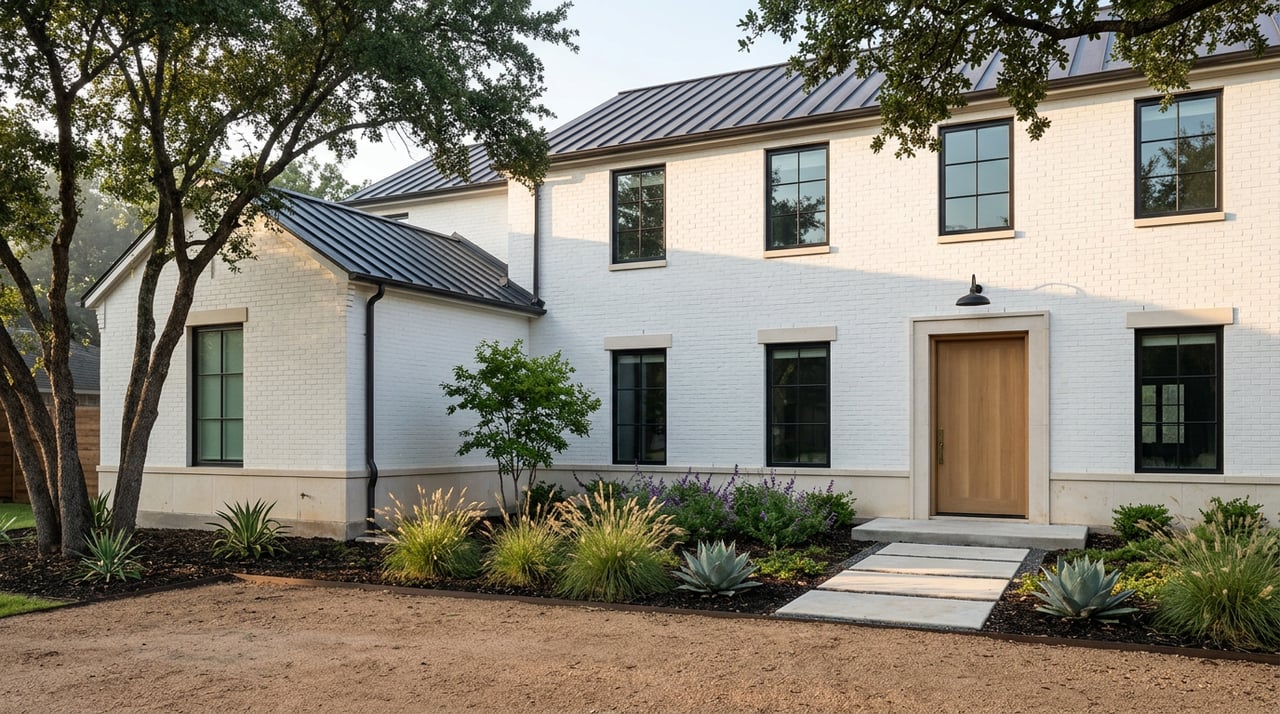
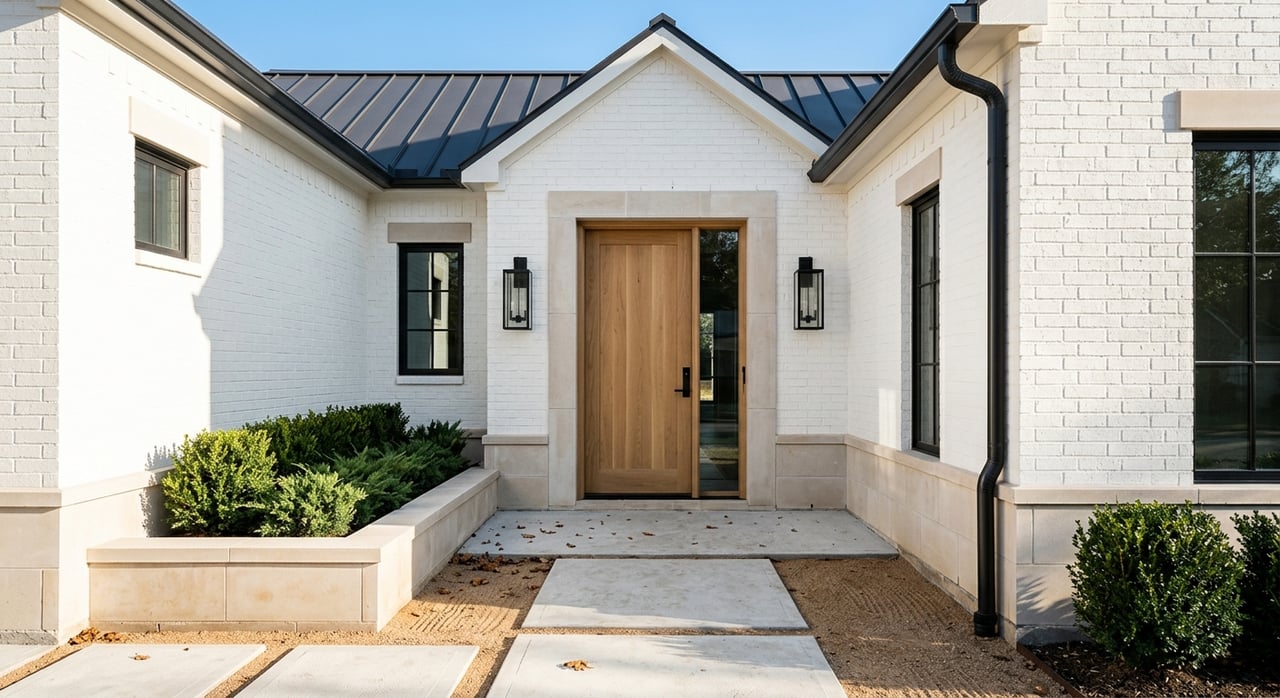
If you are buying around Lake Travis, try to look past the obvious style cues. A sleek remodel or modern farmhouse exterior may catch your eye, but the real question is whether the home fits the lot and supports the lifestyle you want. Site responsiveness often matters more than a one-size-fits-all lake house look.
If you are selling, these same features can shape how your home is positioned. Buyers often respond to homes that clearly solve for views, slope, storage, access, and flexible living. When those strengths are presented well, your property tells a more complete story.
A strong marketing plan can also help buyers understand why a Lake Travis home works so well. Clear visuals, thoughtful staging, and practical local context can turn site-specific features into real value.
If you are thinking about buying, selling, or preparing a Lake Travis property for the market, 512Vibe Realty Group can help you make sense of the lot, the lifestyle, and the details that matter most.
Stay up to date on the latest real estate trends.

Get assistance in determining current property value, crafting a competitive offer, writing and negotiating a contract, and much more. Contact us today.