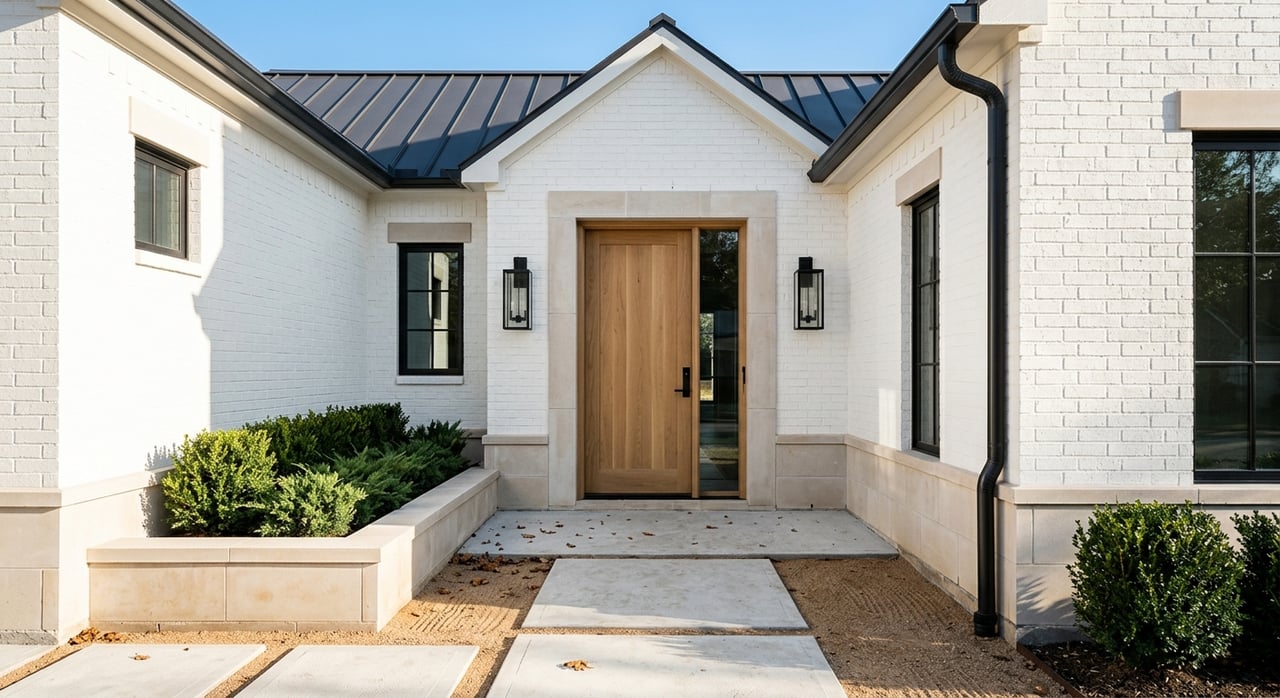
Lakeway Condos vs Single-Family: How to Choose
July 16, 2026
July 16, 2026
Are you trying to decide whether a lock-and-leave home or a single-family house makes more sense in Lakeway? It is a smart question, especially in a city where lake access, parks, trails, and community amenities already do a lot of the lifestyle heavy lifting. If you are weighing convenience, privacy, storage, and resale potential, this guide will help you compare the tradeoffs in a practical way. Let’s dive in.
Lakeway is not just another Austin suburb. It is a resort-oriented city on the south shore of Lake Travis, about 25 miles west of downtown Austin, with golf courses, marinas, a private airport, a hotel and spa, parkland, trails, and greenbelts.
That backdrop changes how many buyers think about homeownership. Because so much of the lifestyle comes from the city itself, you may not need a large yard or a long list of private amenities to enjoy living here.
The city also has a wide mix of residents. Lakeway began as a retirement and second-home community, and today it attracts empty-nesters, families, and young professionals. That means both lock-and-leave and single-family living can make sense, depending on how you want to spend your time.
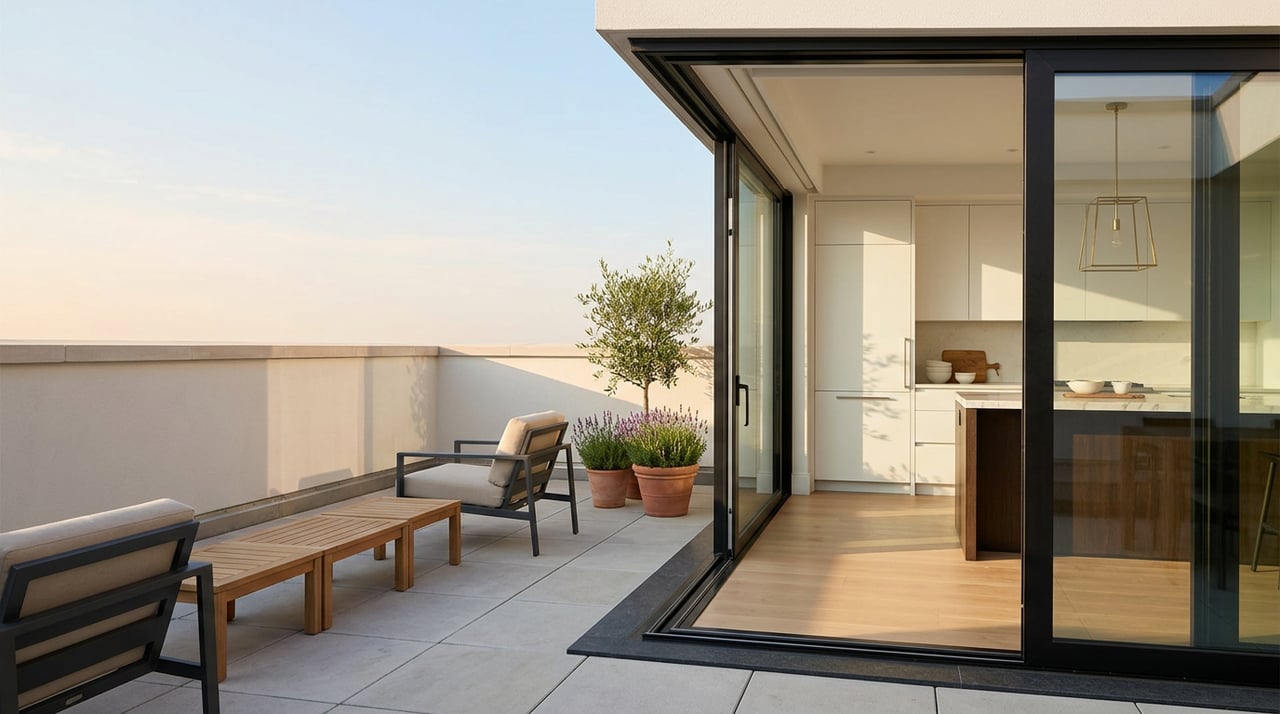
In Lakeway, lock-and-leave usually refers to a condo or condo-style townhome where exterior upkeep and common-area maintenance are handled by an association. The appeal is simple: you can travel, work long hours, or enjoy weekends on the lake without spending as much time on mowing, watering, or exterior repairs.
Lakeway’s zoning also shows that attached housing here is not necessarily tiny. The city’s R-5 condominium districts are intended for low-density condo neighborhoods, with a cap of six units per acre, and the code sets minimum size standards that include an average floor area of 1,500 square feet and a minimum of 1,200 square feet for any one unit.
That matters if you picture a condo as something small and urban. In Lakeway, attached living can still offer a roomy footprint while delivering a simpler day-to-day ownership experience.
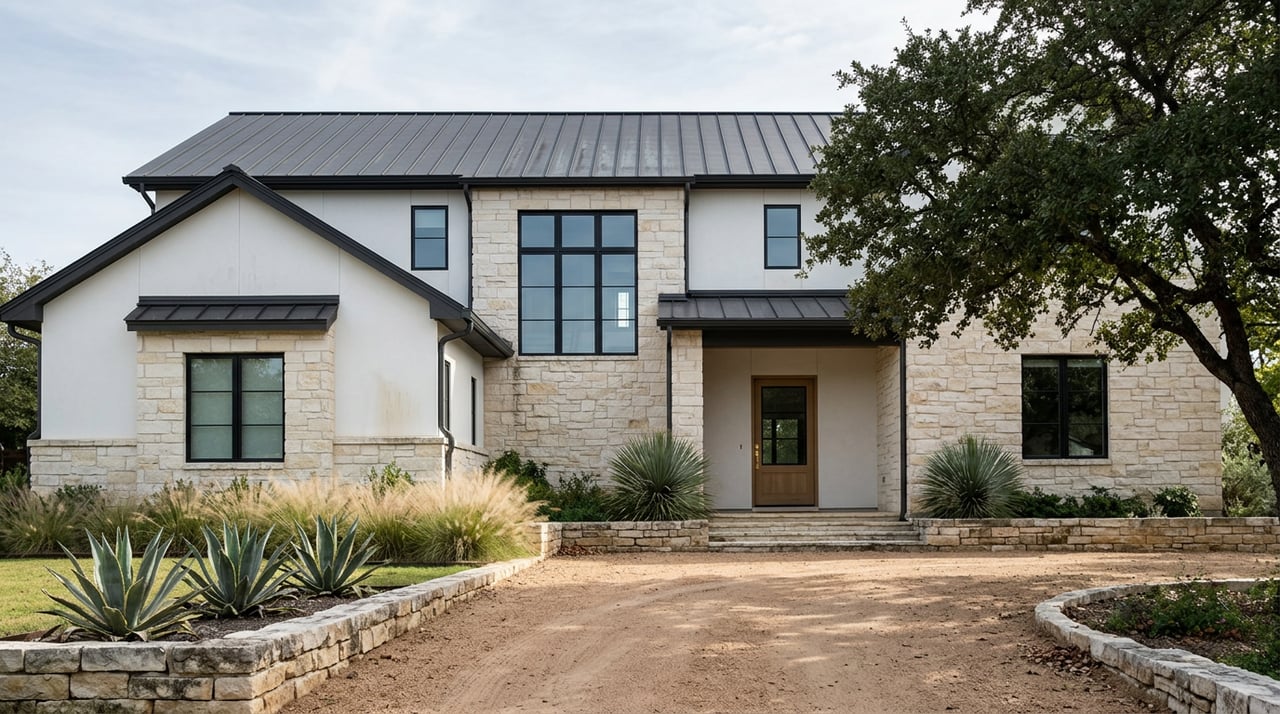
Single-family living in Lakeway usually gives you a detached house, more separation from neighbors, and more direct control over your lot and exterior. If you want a larger garage, more yard space, extra patio room, or a place for hobbies and projects, this option often fits better.
Detached homes also tend to appeal to buyers who want fewer shared walls and fewer association-driven appearance rules. You still need to follow city standards and any neighborhood restrictions, but the home usually feels more customizable in everyday use.
For many buyers, that flexibility is the biggest advantage. You are taking on more maintenance, but you also gain more control over how the property functions for your lifestyle.
This is often the biggest deciding factor.
Under Texas condominium law, the association is responsible for maintaining, repairing, and replacing common elements unless the declaration says otherwise, while the unit owner is responsible for the unit itself. Condo owners also generally need prior written permission before changing the appearance of common elements or the exterior appearance of a unit.
That structure is what makes lock-and-leave living feel easier on the maintenance side. It also makes it more rule-driven, because exterior decisions are more limited.
With a detached single-family home, you are usually responsible for your own roof, yard, exterior surfaces, and ongoing upkeep. That creates more work, but it also gives you more direct control over timing, materials, and design choices.
Not every attached home follows condo rules. In Lakeway, a townhome may be part of a condominium regime or part of a subdivision with a property owners’ association, and those are not the same thing.
For subdivision properties, the exact maintenance split depends on the governing documents. Texas law requires the association to provide detailed resale information, including restrictions, assessments, budgets, reserves, insurance, pending suits, and transfer fees.
So if you are considering a lock-and-leave property, one of the first questions to ask is: Is this legally a condo or a subdivision lot? That answer affects maintenance duties, document review, and the resale process.
Lakeway is a city where lifestyle matters as much as square footage. The right fit often comes down to how you actually want to live.
If you travel often, split time between homes, or simply do not want exterior upkeep on your to-do list, lock-and-leave living can be a strong match. Lakeway’s city-run amenities support that choice well, since you can still enjoy trails, parks, the Swim Center, the Activity Center, and lake-oriented recreation without relying on a large private yard.
This setup can appeal to downsizers, second-home buyers, and busy professionals. It lets you spend more time enjoying Lakeway and less time managing the outside of your property.
If your daily life includes pets, outdoor hobbies, entertaining, extra vehicles, or storage needs, a detached home often offers more breathing room. It may be easier to have a larger patio, a workshop area, or simply more separation between your home and the next one.
Single-family living can also feel more practical if you want the property to adapt with you over time. More storage, a larger garage, and more yard utility can be valuable even if you do not need them on day one.
This is an important local point in Lakeway.
The city code prohibits parking or standing trucks, buses, trailers, mobile homes, RVs, boats, watercraft, houseboats, and similar vehicles on public rights-of-way or lots outside of buildings. The city also prohibits gated communities.
For you as a buyer, that means storage planning matters whether you choose attached or detached living. You should think carefully about garage space, guest parking, boat storage, and trailer storage before you fall in love with a property.
A single-family home may offer more storage potential, but that is not automatic. A lock-and-leave property may reduce maintenance, but it can create tighter limits on parking or extra equipment.
Price is not the only factor, but it is usually part of the conversation.
Lakeway’s market has recently leaned toward buyers rather than feeling overheated. Recent data showed a median sale price of about $840,040 over the three months ending May 2026, about 55 days on market, and roughly one offer per home. Another May 2026 market snapshot described Lakeway as a buyer’s market, with homes selling about 3.7% below asking on average and a sale-to-list ratio of 96%.
That kind of market gives you more room to compare options carefully instead of rushing into a choice.
Current listing data shows a notable gap between attached and detached price points in Lakeway. Redfin showed 59 condos for sale at a median listing price of $449,000, while its single-story home search showed 45 homes for sale at a median listing price of $815,000.
That does not mean every lock-and-leave property is a bargain or every detached home is out of reach. It does mean attached housing can open the door to Lakeway ownership for buyers who prioritize convenience and a lower starting price.
Detached homes still tend to attract the more traditional Lakeway buyer. Privacy, lot size, garage utility, and flexible outdoor space are powerful selling points, especially for buyers who expect to use the property full-time.
Attached homes can absolutely resell well, but buyers often look more closely at monthly fees, reserve strength, exterior condition, and whether the convenience feels worth the added cost and rules. In other words, lock-and-leave value is often tied directly to how much upkeep the buyer is avoiding.
If you are torn between the two, start with your habits instead of your wish list.
Ask yourself:
Your answers usually point you in the right direction faster than price alone.
| Factor | Lock-and-Leave | Single-Family |
|---|---|---|
| Exterior maintenance | Often handled by association | Usually owner-managed |
| Travel convenience | Strong fit | Depends on your upkeep plan |
| Privacy | Typically less | Typically more |
| Storage and garage flexibility | Often more limited | Usually stronger |
| Exterior changes | More association oversight | More owner control |
| Entry price in Lakeway | Generally lower | Generally higher |
| Monthly fees | Common | Varies by neighborhood |
| Resale focus | Convenience, fees, condition | Space, privacy, utility |
In Lakeway, neither option is automatically better. A lock-and-leave property can be a great fit if you want low-maintenance living and plan to enjoy the city’s parks, trails, lake access, and community amenities instead of spending weekends on yard work.
A single-family home can be the better choice if you want more privacy, more storage, and more freedom to use the property your way. The best decision comes down to your maintenance tolerance, travel pattern, budget, and how you want your home to support your everyday life.
If you are buying or selling in Lakeway, it helps to work with a team that understands how these lifestyle tradeoffs affect pricing, marketing, and buyer demand. 512Vibe Realty Group can help you compare options, evaluate resale factors, and move forward with a clear local strategy.
Stay up to date on the latest real estate trends.
Get assistance in determining current property value, crafting a competitive offer, writing and negotiating a contract, and much more. Contact us today.