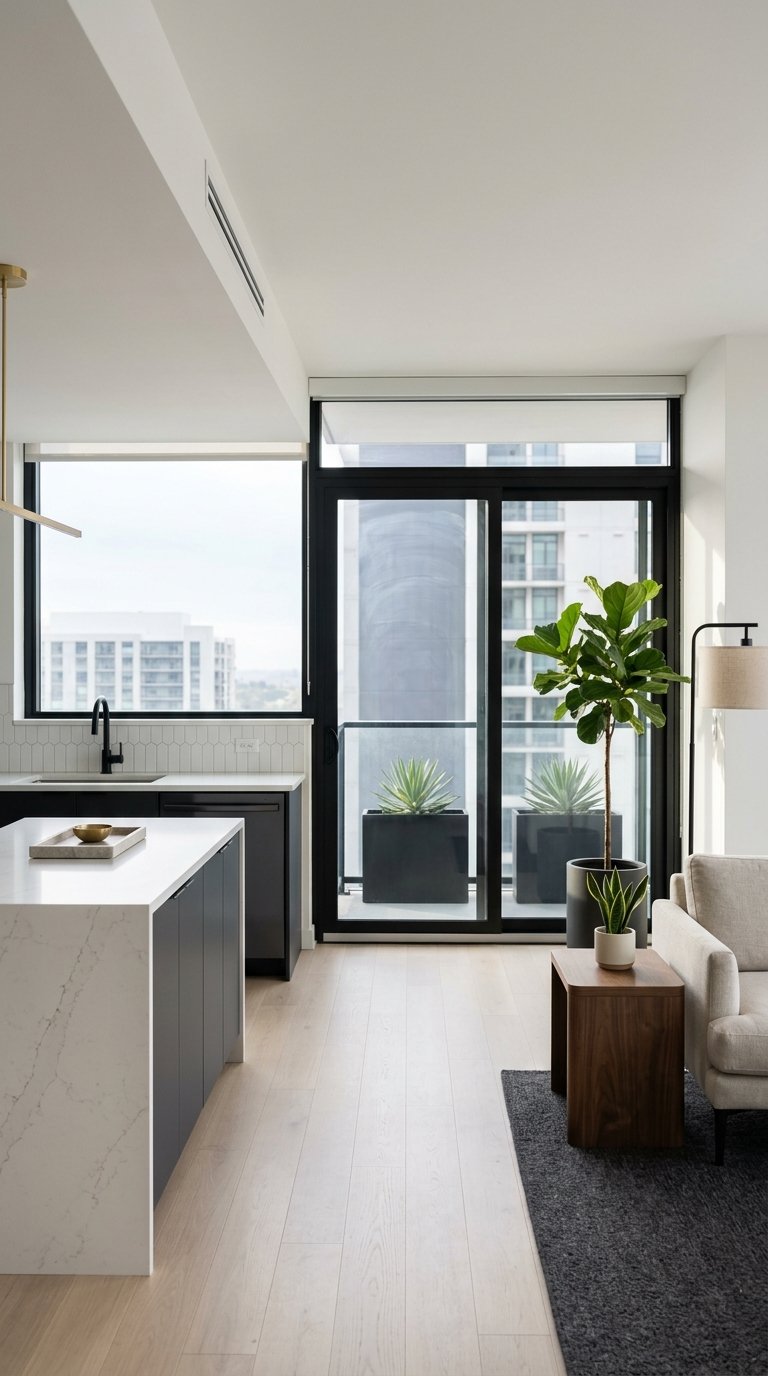
Daily Life In A Downtown Austin High-Rise Condo
June 11, 2026
June 11, 2026
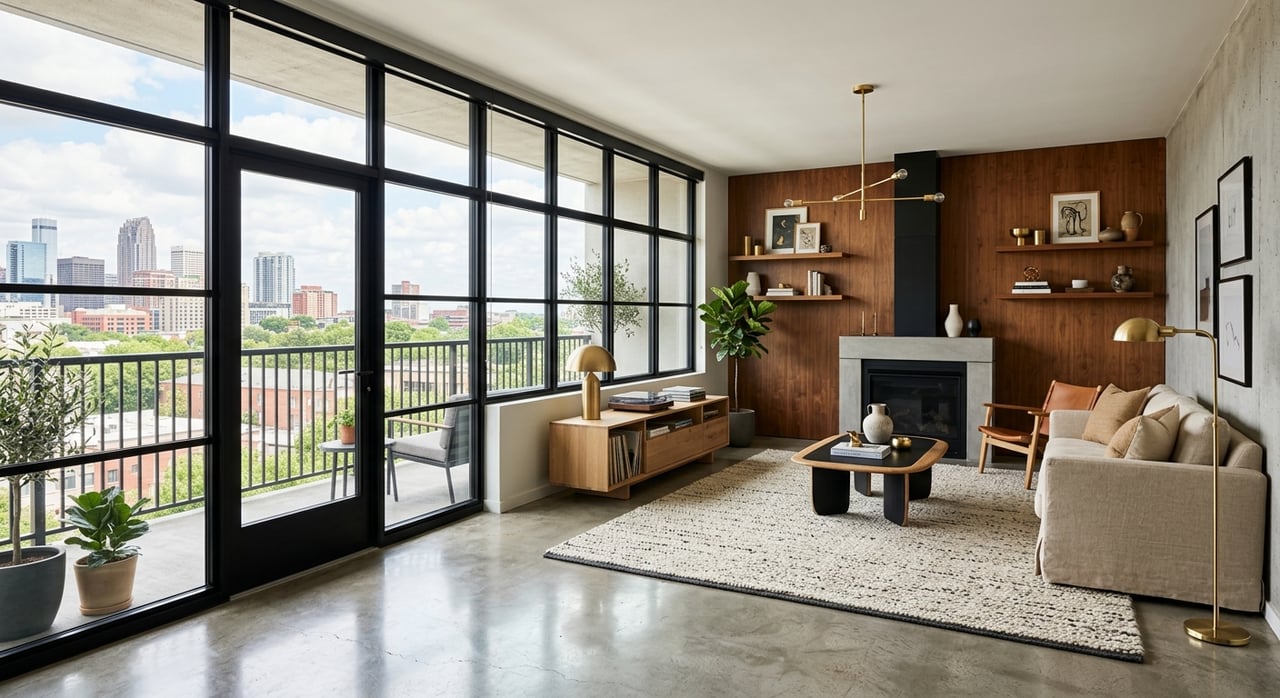
Ever wonder what it actually feels like to live above the skyline in the heart of Austin? Downtown high-rise condo life can be exciting, convenient, and surprisingly practical, but it also comes with tradeoffs that are easier to understand before you buy. If you are considering a condo in Downtown Austin, this guide will help you picture the rhythm of daily life, from morning coffee runs to parking logistics and HOA rules. Let’s dive in.
Downtown Austin is not just an office district that empties after 5 p.m. It is a dense mixed-use area with nearly 14,000 residents, more than 14,000 residential units, over 131,000 employees, and more than 160,000 average daily visits, according to the 2026 State of Downtown Report.
That mix shapes how your day unfolds. You are living in an active urban core with storefronts, restaurants, offices, entertainment, and public spaces all layered together. The same report notes more than 740 active storefronts and 90 restaurants, which helps explain why daily life can feel both convenient and energetic.
One of the biggest draws of a downtown high-rise condo is how much of your routine may happen close to home. Depending on your building and block, grabbing coffee, picking up essentials, or heading out for a walk can be part of a simple, walkable morning.
Downtown also connects well to outdoor activity. The Ann and Roy Butler Hike-and-Bike Trail at Lady Bird Lake is a 10-mile loop that gets more than 2.6 million visits each year, and the City of Austin describes it as part of the city’s daily transportation and recreation network.
For some residents, that means your morning might include a trail walk, a bike ride, or a quick trip on foot before the workday starts. If you value a lifestyle where errands and exercise can fit naturally into your day, downtown condo living can support that.
A big part of daily life in Downtown Austin is deciding how often you really want to use your car. Many buyers are drawn to high-rise living because it makes walking, biking, and transit more realistic than in many other parts of the metro.
CapMetro’s Downtown Station at 4th and Neches connects riders to Route 2, Route 4, CapMetro Bikeshare, scooters, and bicycle trails. The Red Line runs Monday through Saturday every 15 to 30 minutes and connects downtown to Leander through 10 stations.
Austin is also continuing to build out a connected bikeway network with protected lanes, signals, and lighting. For some residents, that can make biking a practical part of everyday transportation, not just a weekend activity.
If you work downtown or near transit connections, your routine may become simpler. Instead of planning around highway traffic for every trip, you may be able to mix walking, biking, rail, rideshare, and occasional driving depending on the day.
That said, your exact experience depends on where your building sits and how you prefer to move around the city. Downtown living often works best when you enjoy having options rather than relying on one mode of transportation.
For many people, the biggest lifestyle advantage of a downtown condo starts after work. Dining, events, and entertainment are part of the neighborhood fabric, which can make weeknights and weekends feel more spontaneous.
The 2026 State of Downtown Report says downtown foot traffic has rebounded to 93% of pre-pandemic levels and highlights the area’s strong dining, nightlife, and retail activity. That means the city stays active well beyond business hours.
You may love having that energy close by. You may also want to think carefully about how close is too close for your comfort, especially if you prefer quieter evenings at home.
Not every downtown condo feels the same once you are inside. In a neighborhood with heavy foot traffic, active nightlife, and major infrastructure work underway, factors like floor level, unit orientation, and building construction quality can make a meaningful difference in day-to-day comfort.
This is one reason touring the building is only part of the process. You also want to understand how a specific unit sits within the tower and what the surrounding blocks feel like during both the day and the evening.
Many high-rise condos offer features that support a low-maintenance lifestyle. Condo ownership typically includes shared access to common areas and amenities rather than a large private lot, which can appeal to buyers who want convenience over yard work and exterior upkeep.
Depending on the building, that may include secure access, fitness areas, gathering spaces, or other shared amenities. These features can make daily routines easier, but they are also part of what your monthly HOA dues help support.
HOA dues are not just another bill to budget around. They are the funding mechanism for building operations, maintenance of common areas, amenity upkeep, and reserve planning.
In Texas, condominium associations have broad authority to adopt budgets, collect common-expense assessments, regulate use and appearance, adopt rules for occupancy and leasing, charge certain fees tied to common elements, and levy fines after notice and an opportunity to be heard. In practical terms, that means your building runs on a clear structure of shared costs and rules.
A downtown high-rise can offer convenience and security, but it also comes with building-specific rules. Those rules often cover topics that directly affect everyday life, including noise, pets, parking, guest access, move-ins, renovations, and renting.
This is why one condo building can feel very different from another, even if both are only a few blocks apart. The lifestyle fit is not just about the view or the amenities. It is also about whether the building’s rules align with how you want to live.
Parking is one of the most important practical details in downtown condo living. In this part of Austin, parking is often paid, time-managed, and more sensitive to events than in suburban areas.
The City of Austin’s downtown parking guidance shows posted meter schedules, hourly pricing, and off-street options. Downtown Austin Alliance guidance also notes that public garages may be first come, first served and can close during major events.
If you expect to use a car often, do not assume all parking arrangements are the same. A condo may include a deeded space, an assigned space, a tandem arrangement, or a separate parking fee, so it is worth confirming in writing before you move forward.
For some buyers, limited car use is part of the appeal of downtown living. For others, parking convenience can be a deal-breaker, which is why this detail deserves early attention.
If you have a dog or other pet, downtown can still be a great fit, but you will want specifics. Austin requires dogs to be on leash in public unless they are in a designated off-leash area, and the city maintains off-leash areas for residents who want that option.
The Ann and Roy Butler Hike-and-Bike Trail is one of downtown’s best outdoor assets, but it is best understood as a leashed-dog walking environment. That can be ideal for daily walks, but it is different from having an off-leash area attached to your building.
Many condo associations allow pets, but the rules often control the details. Limits may apply to pet count, noise, and other building-specific requirements, so it is smart to review those policies early in your search.
If your pet is a major part of your lifestyle, this is not a minor checkbox. It is a core part of whether a particular condo will feel easy to live in every day.
When you buy a downtown condo, you are not only buying the unit. You are also buying into a shared structure of budgets, rules, records, and responsibilities.
Texas requires buyers to receive and review important condominium documents. Before closing, you should review the declaration, bylaws, association rules, and resale certificate.
The resale certificate must be current within three months and disclose items such as the operating budget, assessments, reserves, pending suits, insurance, lease terms, and transfer fees. Texas law also requires the association to keep detailed records and obtain an annual audit.
These documents can tell you a lot about how the building operates. They can also help you spot issues that may affect your costs, flexibility, or long-term comfort in the community.
If required documents are not delivered before signing, Texas law gives the buyer a limited cancellation right. That makes timing and review especially important during the contract period.
Daily life in a Downtown Austin high-rise condo can feel vibrant, efficient, and connected. You may have restaurants, trails, transit options, and entertainment close at hand, all while enjoying the convenience of shared amenities and a low-maintenance setup.
At the same time, downtown living works best when you go in with clear expectations. HOA dues, building rules, parking logistics, and the realities of an active urban core are all part of the package.
If you are thinking about buying a condo downtown, the right guidance can help you look beyond the finishes and views to understand how a building will actually fit your routine. When you are ready to explore your options, connect with 512Vibe Realty Group for local, hands-on guidance tailored to your Austin lifestyle.
Stay up to date on the latest real estate trends.
Get assistance in determining current property value, crafting a competitive offer, writing and negotiating a contract, and much more. Contact us today.