Prepping Your Dripping Springs Home To Sell
April 23, 2026
April 23, 2026
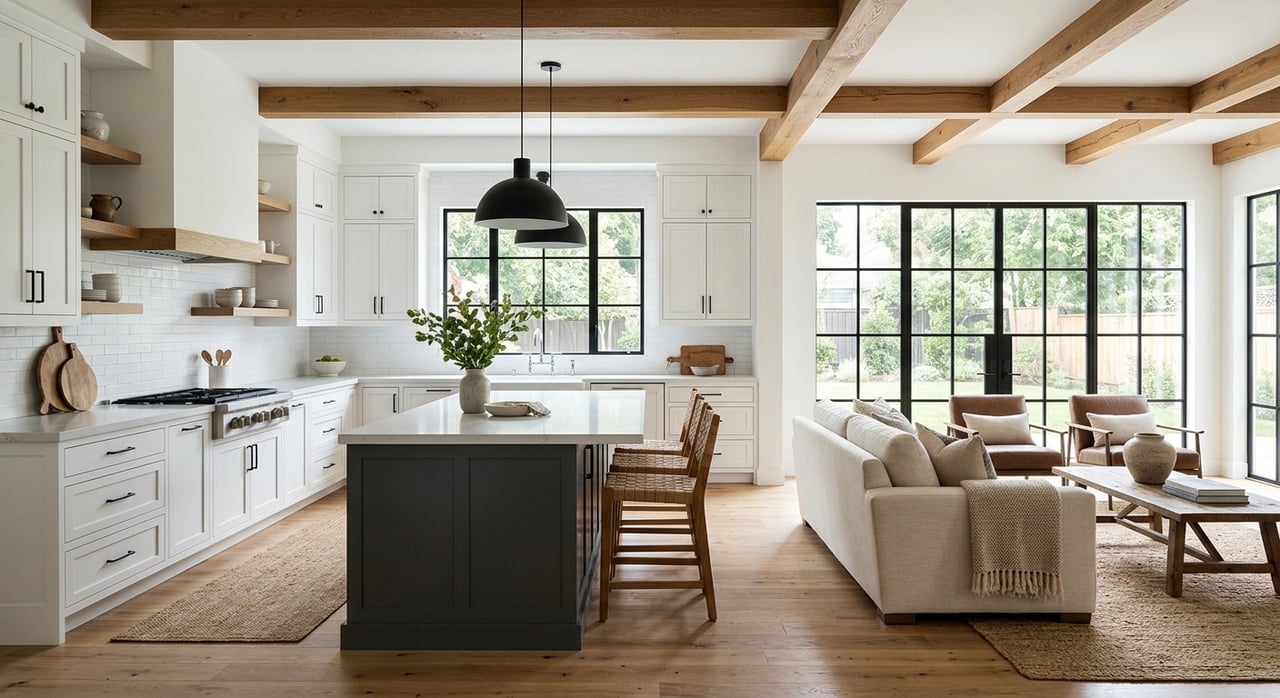
If you are thinking about selling in Dripping Springs, here is the good news: buyers are not just shopping for square footage. They are often looking for a home that feels clean, cared for, and well connected to the Hill Country setting. With local market data showing homes can take well over 100 days to sell, smart prep can give you a stronger first impression online and in person. Let’s dive in.
Dripping Springs offers a distinct setting shaped by open spaces, scenic views, creeks, springs, and Hill Country character. The city also highlights its identity as an International Dark Sky Community and Scenic City, which means your outdoor presentation can matter just as much as your interior finishes.
That local context makes pre-listing prep especially important. According to a February 2026 Four Rivers REALTORS market snapshot, Dripping Springs had a median sale price of $510,000, 114 days on market, and 27 days to close. A digital-first buyer pool also raises the stakes, since the National Association of REALTORS reports many buyers start online and place high value on photos, property details, and floor plans.
In a market where homes may not move instantly, rushing to list can work against you. A better plan is to start several weeks before photography and launch, especially if you need repairs, landscaping, deep cleaning, or help coordinating vendors.
This timeline matters because buyers often spend weeks searching and comparing listings online. If your home goes live before it is truly ready, you may lose attention during the most important first days on the market.
The first showing usually happens on a screen. In NAR's 2024 buyer and seller profile, 41% of buyers said photos were very useful, 39% valued detailed property information, and 31% appreciated floor plans.
That means your home needs to look clear, bright, and easy to understand before anyone books a tour. Your prep work should support great photography, accurate marketing, and a layout that helps buyers quickly see how the home lives.
One of the simplest ways to improve your listing is to remove excess belongings. NAR notes that cluttered rooms and overstuffed closets can turn buyers off because they make the home feel smaller and harder to read.
Start with countertops, bookshelves, nightstands, and storage areas. You want each room to feel open, functional, and easy to walk through, not packed with everyday life.
Focus first on the spaces that tend to show visual clutter fastest:
When these areas look neat, buyers can focus on the home itself instead of your belongings.
Buyers often open closet doors, pantry doors, and garage cabinets. If those spaces are stuffed full, it can suggest the home lacks storage even when it does not.
Try removing enough items so shelves and hanging rods have visible breathing room. Orderly storage sends a simple message: this home has been maintained and it works well day to day.
NAR also points to over-personalized rooms as a common showing issue. You do not need to erase all personality, but you do want buyers to imagine themselves in the space.
That usually means taking down most personal photos, toning down bold decor, and simplifying room styling. A neutral, welcoming look helps your home appeal to a wider group of buyers without feeling sterile.
You do not need a full remodel to make your home market-ready. In most cases, the highest-value work is correcting the visible issues buyers notice right away.
NAR specifically flags concerns like chipping paint, foggy windows, leaky fixtures, worn carpet, uneven tile, unattached gutters, and sloppy caulk as details that can hurt showings. Small problems can signal larger maintenance concerns, even when the fix is simple.
Before listing, walk your home like a buyer and make a punch list that includes:
These fixes can help reduce distractions during showings and lower the odds that minor issues become negotiation points later.
A clean home feels better maintained, brighter, and more move-in ready. NAR lists visible dirt, lingering odors, and dark or dingy spaces among the most common buyer turnoffs.
Before your home is photographed, aim for a true deep clean rather than a quick tidy-up. Pay special attention to floors, baseboards, bathrooms, kitchen surfaces, ceiling fans, windows, and light fixtures.
Even a beautiful home can struggle if it smells stale or feels dim. Open blinds, replace weak bulbs, and make sure every room is well lit.
If you have pets, cook frequently, or have been in the home for many years, ask a trusted third party for honest feedback. Buyers often react quickly to odors, and sellers do not always notice them anymore.
If your home has a bonus room, loft, second living area, or a bedroom that could serve another purpose, show that function clearly. Since buyers value floor plans and detailed listing information, flexible rooms should not feel vague or unfinished.
A room can be staged as an office, guest room, workout area, or media room, but it should read as one clear purpose at a time. That helps buyers understand the layout more quickly when they see photos and floor plans online.
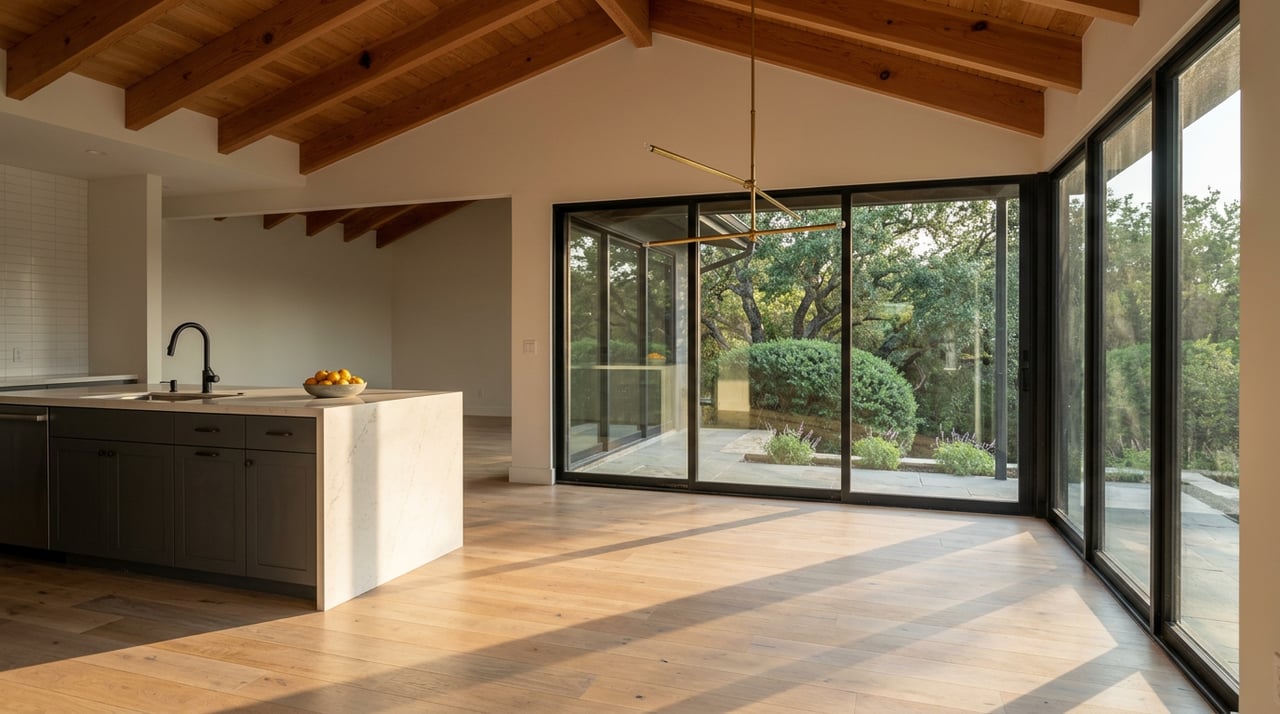
In Dripping Springs, outdoor areas are part of the value story. Buyers may care about porches, patios, pools, outdoor kitchens, mature trees, and the way the property connects to its Hill Country surroundings.
NAR notes that the yard is often the first thing buyers see online and in person. If the exterior feels neglected, some buyers may scroll past the listing before they ever notice the interior.
Simple exterior work can have a big impact:
You do not need to over-design the landscape. You just want the property to feel cared for and ready to show.
If your home has views, a shaded sitting area, a fire pit, or a porch that catches the evening light, make sure those features are ready for photos. In a place known for scenic character and outdoor living, these details can help buyers connect emotionally with the property.
Outdoor furniture should look clean and intentional. If an area feels cluttered or tired, simplify it so buyers can see the potential.
Hays County notes that the region is drought-prone and that wildfires can spread quickly. The county provides a personal wildfire plan resource, and FEMA guidance supports maintaining defensible space and keeping combustible debris off roofs, gutters, and decks.
For sellers, this is both a safety and presentation issue. Before listing, clean out gutters, remove leaf litter, trim vegetation near the home, and reduce fuel sources close to the structure where possible.
Flood and drainage issues are worth checking even if your property is not in a high-risk flood zone. FEMA notes that everyone has some flood risk, and many flood claims come from outside the highest-risk areas.
Before listing, take a look at downspouts, drainage paths, low spots in the yard, and any places where water collects near the foundation. Addressing obvious drainage concerns early can help you avoid surprises after a buyer starts asking questions.
If your home uses an on-site sewage facility, gather your records early. Hays County requires permits for on-site sewage facilities and notes that ongoing maintenance is required for certain systems.
If you know there is a septic issue, it is usually better to deal with it before launch than to let it surface in the middle of a transaction. Even when everything is functioning well, having maintenance records organized can help keep the process smoother.
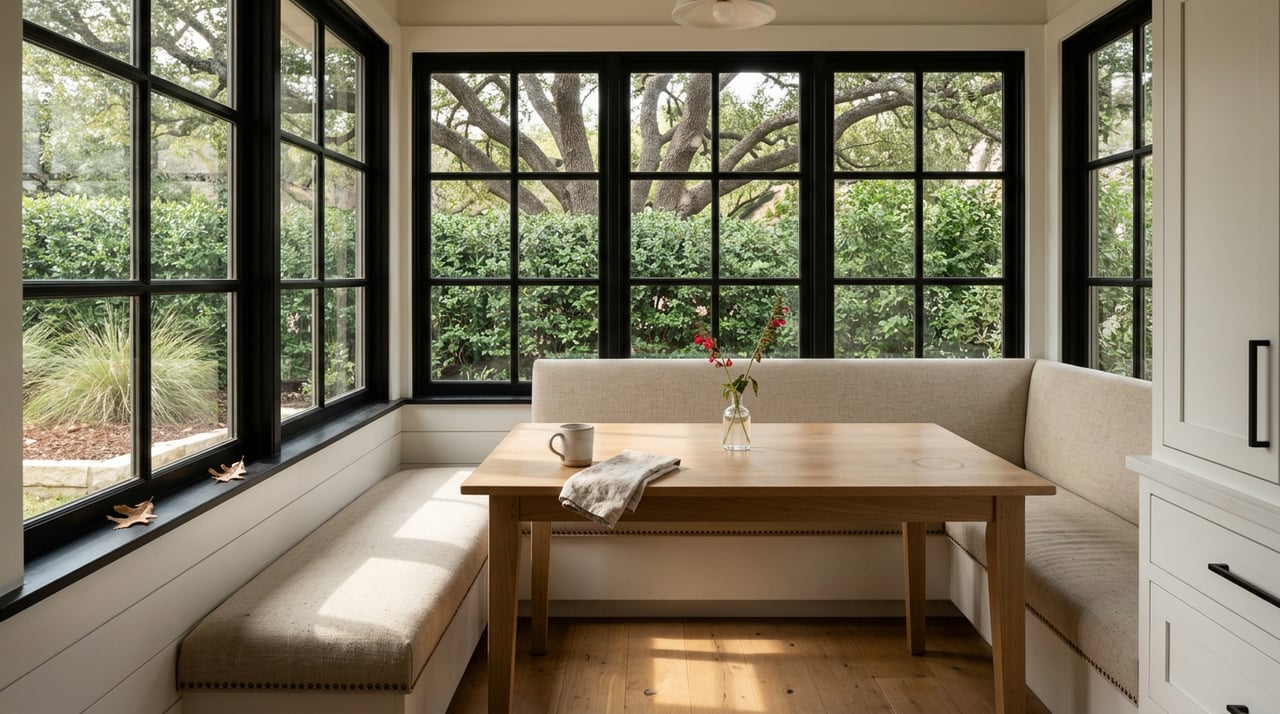
Staging is not about making your home look fancy. It is about helping buyers picture daily life there.
According to NAR's 2025 home staging snapshot, 83% of buyers' agents said staging made it easier for buyers to visualize a property as a future home. That can be especially helpful if your home is vacant, unusually styled, or has rooms with more than one possible use.
Because so many buyers begin online, your photos and floor plan need to do real work. Bright, professional visuals can help your home stand out, but accuracy matters just as much as polish.
NAR warns that heavily edited listing photos can create disappointment when buyers arrive in person. The best marketing uses clean, honest photography, clear room labels, and a visual story that reflects the property truthfully.
Selling a home involves more moving parts than most people expect. Repairs, cleaning, staging, photography, floor plans, pricing, and MLS timing all need to line up.
That is where a full-service team can make a difference. NAR reports that many sellers want help with marketing, pricing, and selling within a specific timeframe, and most agents market homes through the MLS first. When the prep and launch are coordinated well, you are more likely to make a strong impression from day one.
If you are wondering where to spend your time and money, keep the focus simple. Start with visible condition, strong presentation, and the property features that matter most in Dripping Springs, especially outdoor living, curb appeal, and clear online marketing.
You do not have to do everything. You just need to handle the items that help buyers feel confident, help photos shine, and help your home look ready for its next chapter.
When you are ready to map out the right prep strategy for your sale, connect with 512Vibe Realty Group for thoughtful guidance, coordinated listing support, and a plan built around your home and timeline.
Stay up to date on the latest real estate trends.







Get assistance in determining current property value, crafting a competitive offer, writing and negotiating a contract, and much more. Contact us today.