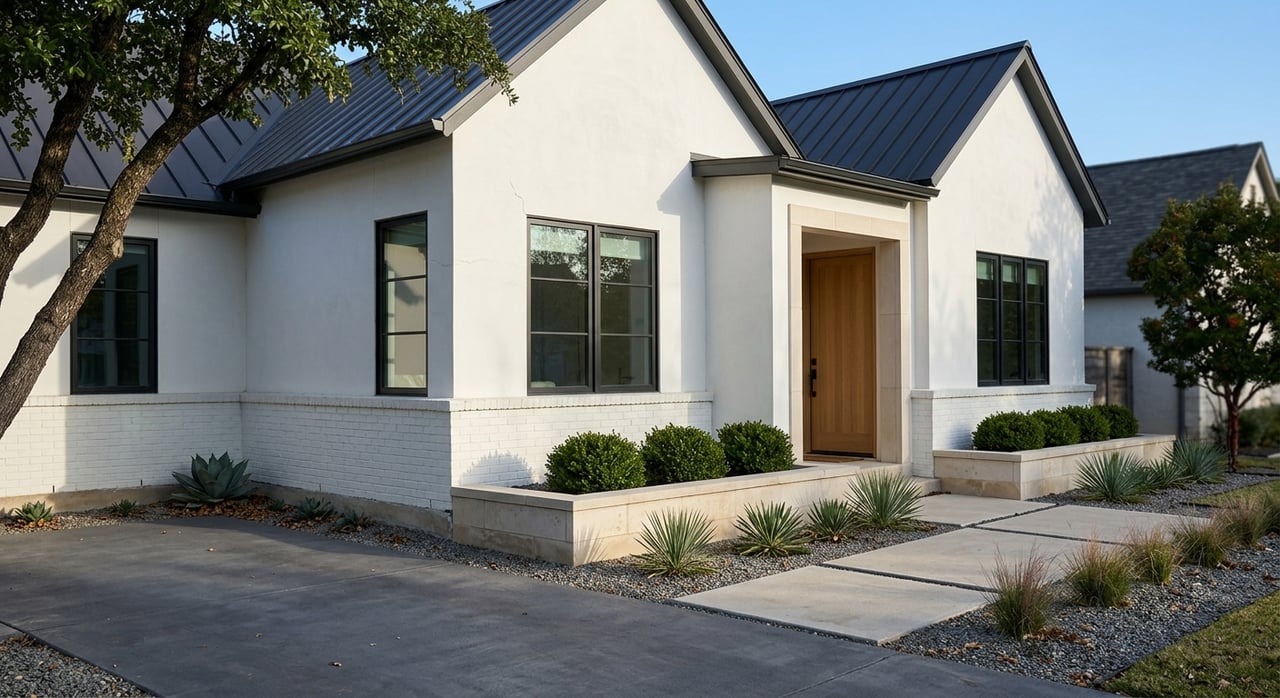
Planning Your Next Move In Circle C Ranch
May 7, 2026
May 7, 2026
Wondering how to time your next move in Circle C Ranch without feeling like you are juggling two full-time jobs? If you are trying to sell your current home and line up your next one, you are not alone. In a neighborhood where lifestyle, timing, and micro-location all matter, a smart plan can make the process feel a lot more manageable. Let’s dive in.
Circle C Ranch is not just a name on a map. It is a large community with distinct pockets, multiple sub-associations, and amenities that shape how buyers think about value.
The community’s HOA materials highlight features like the Circle C Community Center, a seasonal pool with beach entry and splash pad, the Circle C Swim Center, Circle C Metropolitan Park, the 5-mile Slaughter Creek Trail, the 3.17-mile Veloway, and Grey Rock Golf Club. For many buyers, those features are part of the decision, not just a bonus.
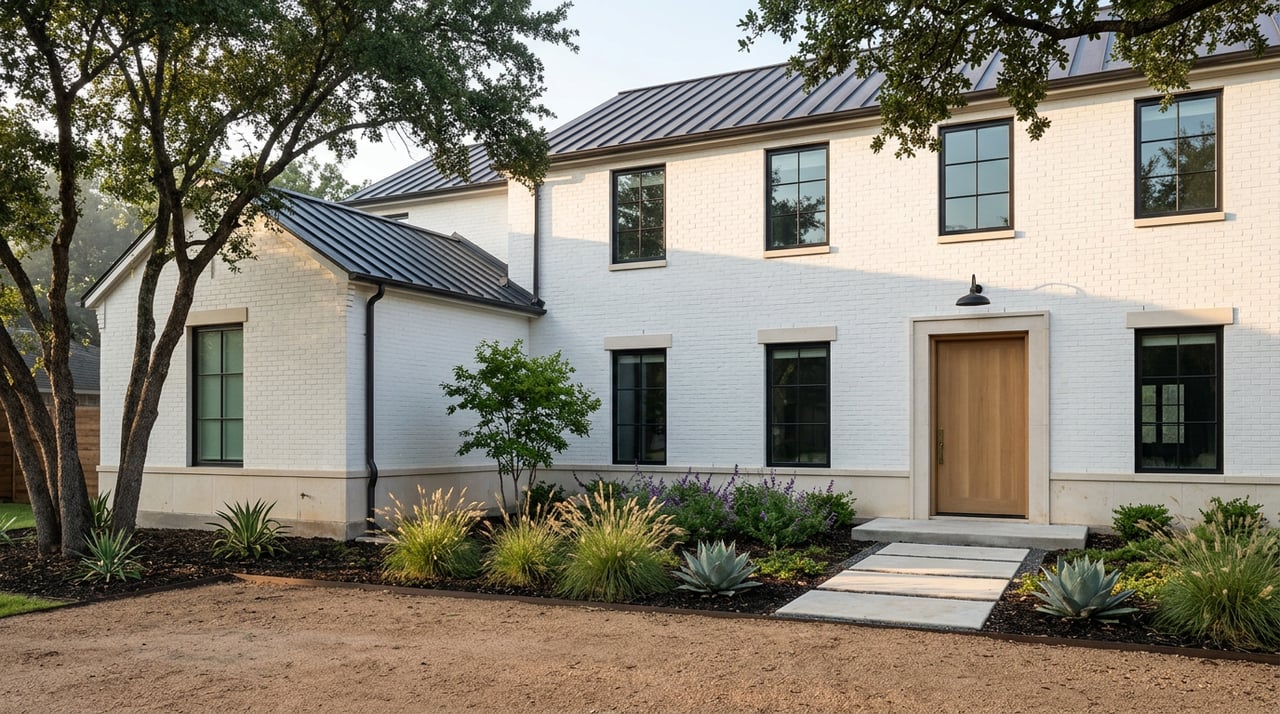
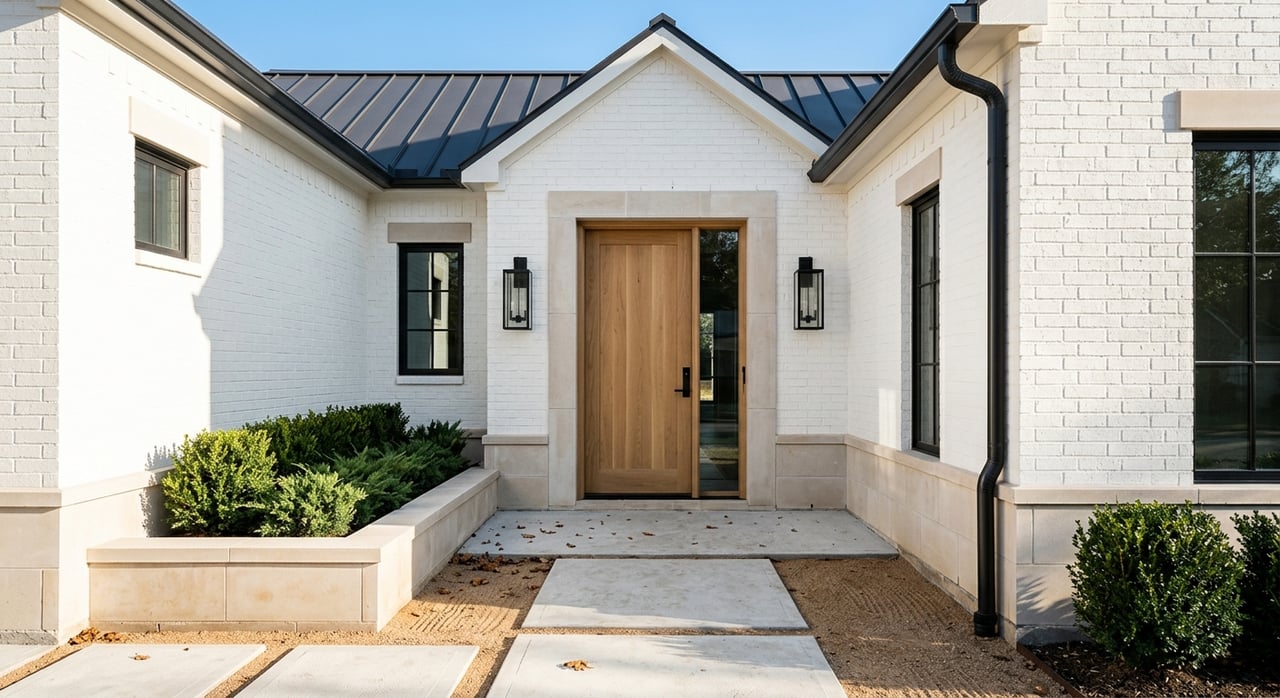
That matters if you are planning your move because buyers often shop for a lifestyle as much as a house. In Circle C Ranch, your home’s appeal may depend on more than square footage or price point. Things like your section of the neighborhood, lot placement, condition, and access to amenities can all shape demand.
The Austin-area market is more balanced than it was during the pandemic boom. According to Unlock MLS, the Austin-Round Rock-San Marcos metro had 5.5 months of inventory in Q1 2026, with active listings up and the median price down 3.4% year over year to $415,300.
For the City of Austin, March 2026 inventory was 5.4 months, and the average close-to-list price was 93.8%. That tells you buyers have more options and more room to compare homes than they did a few years ago.
Circle C Ranch can behave differently from the broader market, though. A recent neighborhood snapshot from Redfin shows a median sale price of $855,000, about 29 days on market, and homes selling around 2.2% under list. Since that sample is small, it is best used as a trend line, not a pricing rule.
One of the biggest mistakes sellers make is treating all of Circle C Ranch like a single, uniform market. It is not. Different pockets of the neighborhood can attract different levels of buyer interest.
That is especially important in a community with gated sub-associations and varied home styles, lot sizes, and locations. A home near a trail, park, or key amenity may compete differently than a similar home in another section.
If you are planning your next move, this is why a personalized valuation matters more than a broad online estimate. The most useful pricing strategy looks at recent comparable sales, current competition, condition, and your home’s specific position within Circle C.
If you are hoping to catch the spring market, start earlier than you think. Zillow’s 2026 listing analysis found that Austin’s strongest listing window landed in the last two weeks of March, earlier than the national trend.
That means your ideal listing date may arrive before you feel ready if you wait until spring to begin. Repairs, touch-ups, decluttering, staging prep, photography scheduling, and pricing strategy all take time.
A good rule of thumb is to begin planning well before your target list date. If spring is your goal, winter may be when the real work starts.
The best next move usually starts with a prep plan, not a yard sign. Fannie Mae’s consumer guidance supports budgeting early for repairs, closing costs, and moving expenses, while also emphasizing the value of professional marketing and a clutter-free presentation.
For many Circle C sellers, that prep stage includes both house work and life planning. You are not just getting a property ready. You are also deciding how your sale will connect to your next purchase.
Here are a few smart prep steps to consider:
If you need to sell one home and buy another, your strategy matters as much as your list price. Most homeowners choose one of three paths, depending on finances, timing, and risk tolerance.
This is often the simplest option financially. You sell your current home, close the transaction, and then buy your next home once you know exactly how much equity you have available.
The downside is that you may need a temporary rental, short-term housing, or storage while you shop. Still, for many homeowners, this route offers the most clarity and the least financial pressure.
Bridge or swing financing can work for some homeowners, but only if they qualify. Fannie Mae guidance notes that lenders need to document your ability to carry the current home, the new home, and the bridge loan.
This path can help you buy before your current home closes, but it is not a casual decision. You need strong documentation, lender approval, and a clear understanding of the carrying costs.
A leaseback can create breathing room after closing by allowing you to remain in your home for a short period after the sale. Fannie Mae and NAR guidance both support written agreements that clearly address timing, insurance, and lender approval.
This option can be useful when you need a little extra time to close on your next home. Keep in mind that many lenders may not accept leasebacks longer than 60 days, so details matter.
Even a strong plan needs backup options. If your next purchase depends on a successful closing, there are a few moving parts you need to track closely.
Inspection contingencies can affect timing because a buyer may be able to cancel without penalty if the contract depends on a satisfactory inspection. Appraisal issues and repair negotiations can also slow a transaction or change the numbers.
Fannie Mae’s closing guidance also notes that buyers should receive the Closing Disclosure at least three business days before closing. That timeline is one more reason to stay organized and avoid stacking every deadline too tightly.
If school assignment is part of your move, verify current attendance zones directly with Austin ISD. The district states that attendance areas determine school assignment and can change over time.
That matters in Circle C Ranch because community materials may show historical feeder information, but current assignment should be checked with AISD’s School Finder and boundary resources. If buyers ask, the most accurate answer is to encourage direct verification through the district.
In a neighborhood like Circle C Ranch, a strong move plan brings together three things: realistic pricing, early preparation, and a clear next-home strategy. Focusing on only one piece can create stress later.
You will likely have the smoothest experience when you know how your specific pocket of Circle C is performing, what prep work your home needs, and which buy-sell strategy fits your finances and timeline. That kind of planning can help you move with more confidence and fewer surprises.
If you are thinking about your next move in Circle C Ranch, the best place to start is with a local strategy built around your home, your timing, and your goals. 512Vibe Realty Group can help you map out your options with hyperlocal insight, polished listing support, and a clear plan from prep to closing.
Stay up to date on the latest real estate trends.

Get assistance in determining current property value, crafting a competitive offer, writing and negotiating a contract, and much more. Contact us today.